
Wall Lights


Our featured products from Wall Lights
- -40% OFF
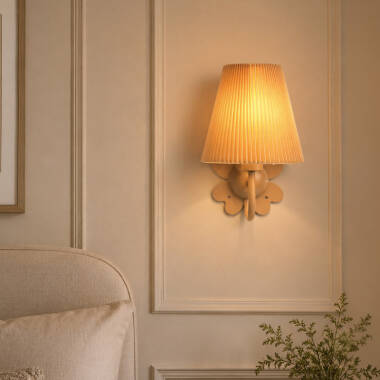
Was £29.99
£17.99
- -40% OFF
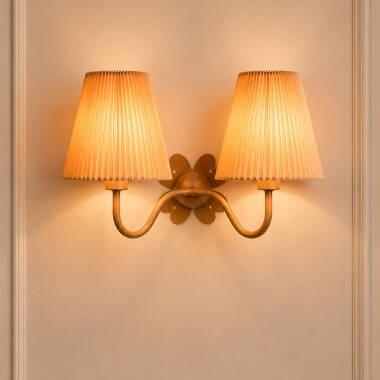
Was £40.00
£23.99
- -20% OFF
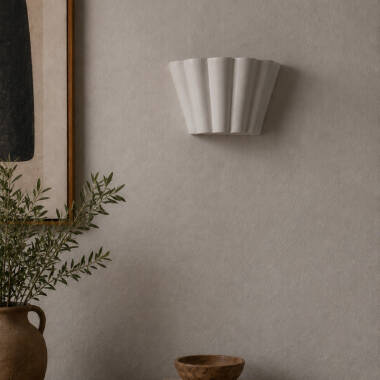
Was £28.99
£23.20
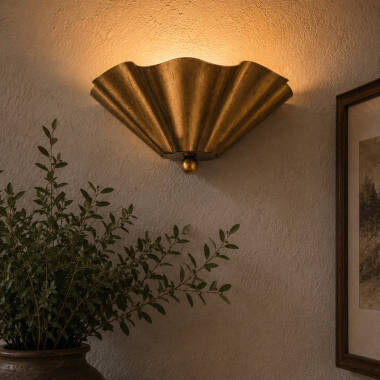
Ref NLY0012802
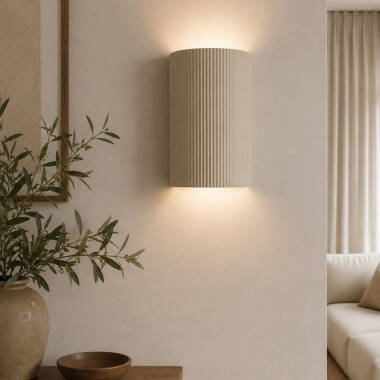
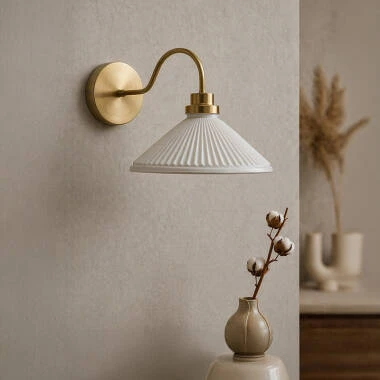
Khudi & Khora Emmie Ceramic Up & Down Wall Light
White
IN STOCK - Delivered in 1 to 2 working days
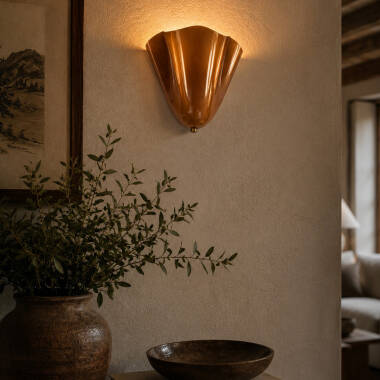
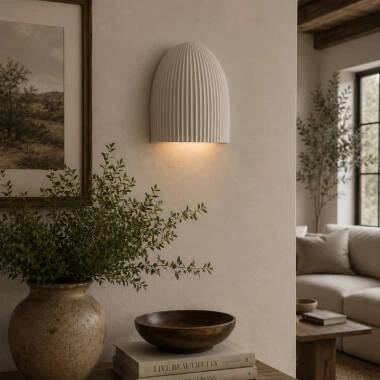
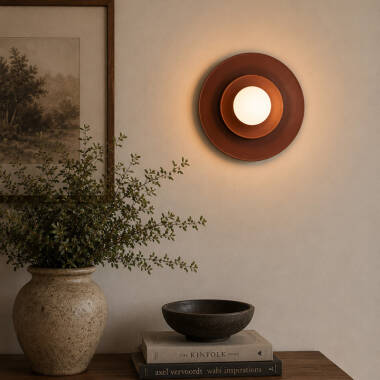
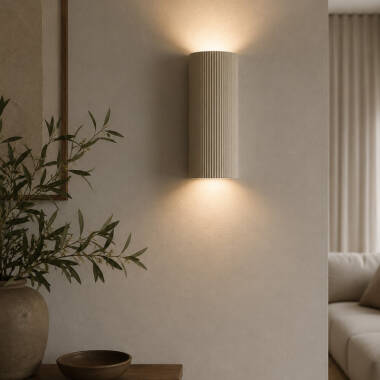

About Wall Lights
Wall lights are often an afterthought in homes, since ceiling lights tend to be the star of the lighting show in most cases. But they really shouldn’t be, because wall lights can be used for a range of purposes throughout the home. Although they are more often the supporting act, providing extra ambient lighting, choosing a great wall light can be the perfect finishing touch in many rooms. Not only do they provide that additional lighting where it is needed, they can create extra impact, effectively tying a complete look together. Let’s take a deeper look at wall lights, how you can use them in your home, and why you definitely should consider adding them to a space.
What are the benefits of using wall lights in a home?
There are loads of reasons you might want to use wall lights in a home. Some of the main advantages that lighting experts talk about include:
- Wall lights can help to create a warm and inviting atmosphere in a room, making it feel more comfortable and welcoming. By providing soft and diffused lighting, wall lights can help set the mood for relaxation and comfort.
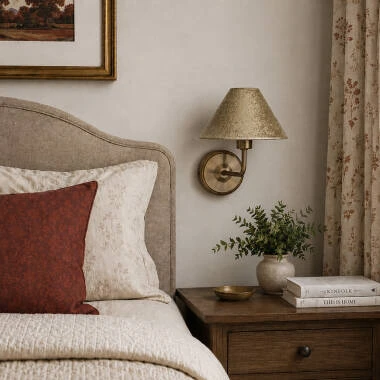
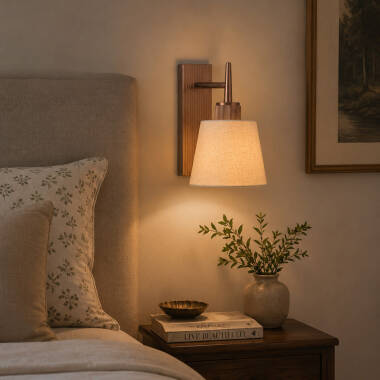
- Certain types of wall lights can be used to provide task lighting for specific activities, such as reading or working on a computer. Placing wall lights above a desk or next to a bed can provide the right amount of lighting without being too harsh or bright.
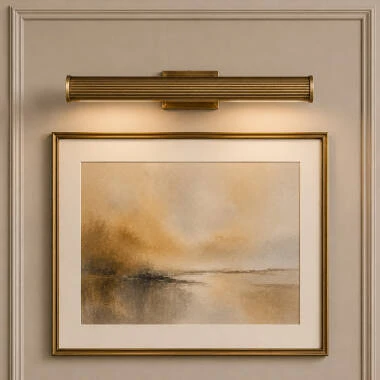
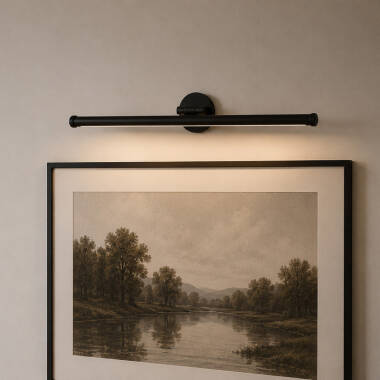
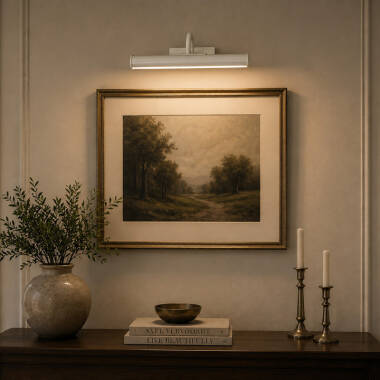
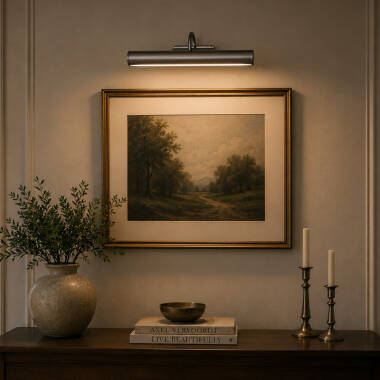
- Wall lights can be used to highlight artwork or other decorative features in a room. By placing wall lights such as picture lights above a piece of artwork, you can draw attention to it and create a focal point in the room. Similarly, using wall lights to highlight architectural features, such as exposed beams, can add depth and visual interest to the space.
- Wall lights can be a space saving alternative to table lamps or floor lamps. By mounting lights on the wall, you can free up floor space and create a cleaner and more streamlined look in the room.
- Wall lights come in a variety of styles and designs, so they can be a great decorative element in a room. Whether you choose sconces with ornate shades or modern minimalist fixtures, wall lights can make all the difference to your décor.
What types of wall lights are available for the home?
There are many types of wall lights available for use in the home, each with its own unique style and function. Some of the different types of wall lights that you might consider for your home:
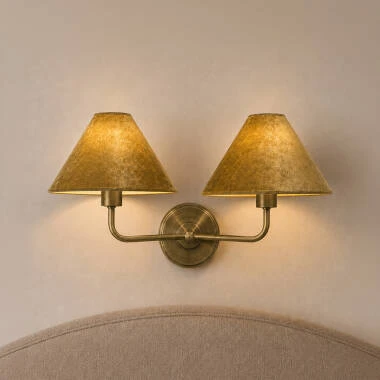
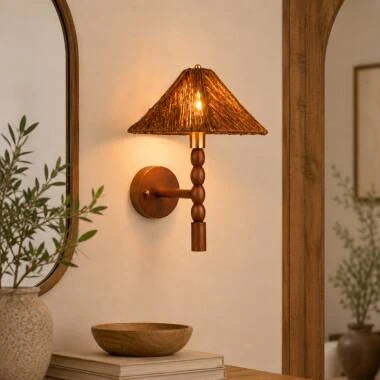
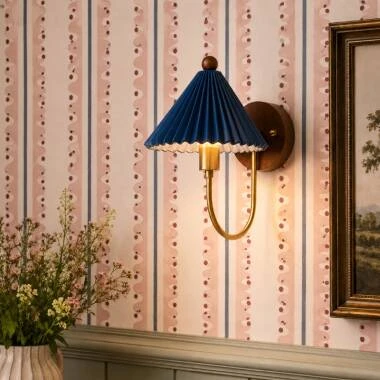
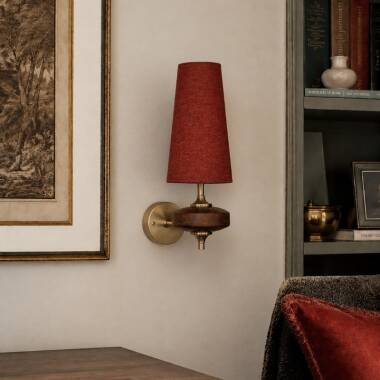
- Sconces are wall lights that are mounted on a bracket, typically with a shade or cover that diffuses the light. Sconces can be used for general or accent lighting and are available in a wide range of styles, from classic to contemporary.
- Picture lights are specifically designed to highlight artwork or other decorative features on the wall. Picture lights typically have a narrow beam of light that can be directed onto the object.
- Swing arm lights are wall lights that have a movable arm, allowing you to adjust the direction of the light as needed. Swing arm lights are ideal for reading or task lighting and are available in a range of styles and finishes.
- Wall torchieres are wall lights that feature an up light design, typically with a shade that directs the light upwards. Wall torchieres can be used for ambient or accent lighting and can add a touch of elegance to a room.
- Wall washers are wall lights that are designed to wash the wall with light, creating a soft and diffused glow. Wall washers can be used for ambient or accent lighting and are available in many different styles and finishes.
- Step lights are wall lights that are specifically designed for use on stairs or other vertical surfaces. Step lights can provide safety and visibility in dark areas and can be a stylish addition to a home’s design.
These aren’t the only designs you’ll find, there are many types of wall lights available for home use – which is why we recommend you browse our range to find the perfect shape and style of wall light for your home.
What are some popular design trends for wall lights in the home?
Wall lights are an important part of any interior design scheme, and there are many popular design trends for wall lights in the home. Some of the most popular designs trending for wall lights include:
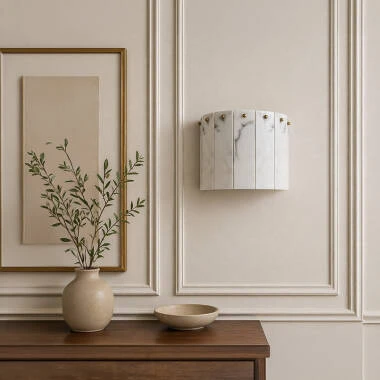
- Minimalist wall lights are becoming increasingly popular, as they offer a clean, streamlined look that works well in modern and contemporary homes. They often feature sleek lines and simple shapes, with a focus on functionality rather than ornamentation.
- Industrial style wall lights are popular in urban and loft style homes. These fixtures often feature raw materials like metal, concrete, and exposed bulbs, and have a rugged, utilitarian look.
- Art deco inspired designs: Art deco inspired wall lights are also making a comeback, particularly in homes with a more traditional or vintage inspired aesthetic. You’ll find bold, geometric shapes, and glamorous finishes like brass or gold.
- Nature inspired wall lights, such as those with floral or leaf motifs, are a popular trend in home décor. If you want to add organic texture to a room, these are the ones for you.
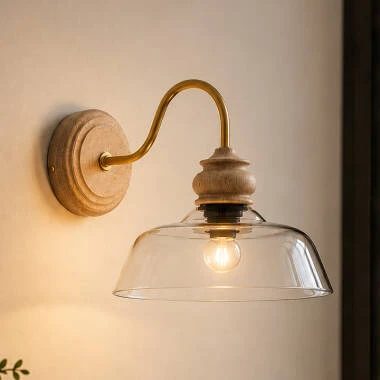
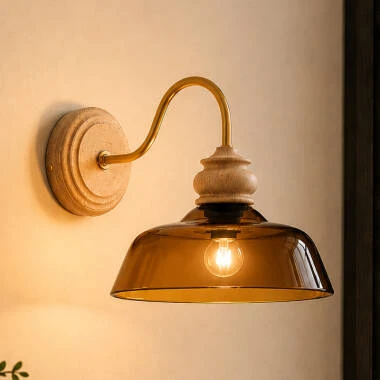
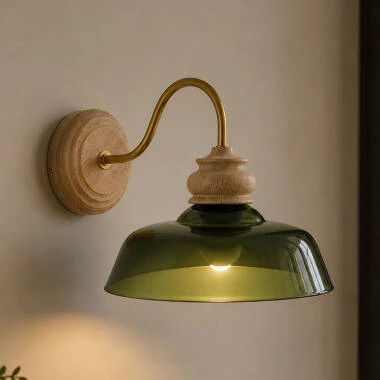
- Wall lights that incorporate mixed materials, such as wood and metal or glass and brass, are a popular trend in home décor. These fixtures offer a unique and eclectic look, and can be a great way to tie together different design elements in a room.
How do I choose the right wall lights for my home?
Choosing the right wall lights for your home can depend on a variety of factors, including the style and design of your home, the reason you’re installing the light, and what you like. Here are some tips from our lighting experts to help you choose the right wall lights for your home:
- The first step in choosing wall lights for your home is to consider the purpose for the light. Are you adding general lighting, or do you need accent lighting to highlight a particular feature or object? Determining the purpose of the light will help you choose the right type of wall light.
- As we’ve already mentioned, wall lights are available in a variety of styles. Consider the style and design of your home, and choose wall lights that complement the existing décor. If you have a minimalist or contemporary home, for example, you might choose sleek and simple wall lights, while a more traditional home might look great with ornate sconces.
- The size and scale of the room can also influence which is the right wall light. A larger room might benefit from several smaller wall lights spaced out evenly, while a smaller room might need just one or two larger wall lights.
- The level of brightness you need will depend on the purpose of the lighting and the size of the room. If you’re using wall lights as the primary source of lighting in a room, you’ll want to choose brighter bulbs or fixtures. If you’re using wall lights for accent lighting, you might want to choose bulbs with lower wattage or fixtures with dimmer switches.
While these aren’t the only things you’ll need to think about, considering these factors will help you to choose wall lights that meet your needs and look great.
Are wall lights just accent lighting?
Not at all, wall lights can be the primary source of lighting in some areas of the home too. In rooms and hallways with low ceilings, ceiling lights can be a hazard for taller members of the household. In spaces where even flush or recessed ceiling lights won’t work, wall lights can provide all the ambient lighting required.
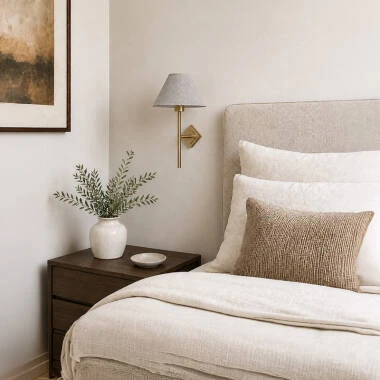
Where floor, table, or desk space is at a premium, wall lights can take the place of lamps as task lights. It might be that a comfortable reading chair needs additional light that would traditionally have been provided by a standard lamp, or in a tiny bedroom, wall lights can replace bedside table lamps, keeping bedsides free of additional clutter. In small spaces, finding accessories that have multiple purposes is key – so it is well worth finding wall lights that have integrated USB charging sockets, so that you don’t need bulky plug sockets for charging phones and tablets.
Some wall lights are designed to fulfil a specific purpose, such as for shaving, behind a mirror, or to illuminate your collection of art. But even when the function of the wall light is the main thing, you still want a stylish luminaire – and those functional pieces can still look fantastic.
Whatever style of wall light you are looking for, and for whatever purpose, you’ll find the right one for you in our extensive range.
Can wall lights be used as the primary source of lighting in a room?
Wall lights can be used as the primary source of lighting in a room, depending on the size and purpose of the space. In smaller rooms, such as a hallway or a small bathroom, wall lights can provide sufficient lighting to brighten up the space. In larger rooms, such as a living room or bedroom, wall lights might not provide enough light on their own and might need to be supplemented with additional sources of lighting, such as overhead lights or floor lamps.
When using wall lights as the primary source of lighting in a room, it’s important to consider the placement and number of fixtures. Wall lights should be spaced out evenly and strategically to provide balanced and functional lighting. For example, in a living room, you might place wall lights on either side of a fireplace to provide task lighting, or use them to highlight artwork or architectural features.
In addition to placement, it’s also important to consider the brightness of the bulbs or fixtures. Wall lights that are used as the primary source of lighting should be bright enough to provide adequate illumination for the entire room. This might mean choosing bulbs with a higher wattage or fixtures with multiple bulbs.
Can I use dimmer switches with wall lights?
Yes, you can use dimmer switches with many types of wall lights. Dimmer switches allow you to adjust the brightness of the light to create the desired ambiance in a room. By lowering the level of illumination, you can create a more relaxed and comfortable atmosphere, or increase the brightness for task lighting or reading.
When using dimmer switches with wall lights, it’s important to choose fixtures and bulbs that are compatible with dimmer switches. Not all wall lights or bulbs are designed to be dimmed, so be sure to check the manufacturer’s specifications before purchasing. In addition, make sure the dimmer switch is rated for the wattage of the bulbs you’ll be using.
In addition to traditional dimmer switches, you can also use smart lighting technology to control the brightness of your wall lights. Smart lighting systems allow you to adjust the level of illumination from your smartphone or other device, creating a convenient and customisable lighting experience. With smart lighting, you can set schedules, create scenes, and adjust the brightness of your wall lights with just a few taps on your device.
Can wall lights be used outdoors or in damp areas, such as a bathroom?
Yes, wall lights can be used outdoors or in damp areas, such as a bathroom, but it’s important to choose fixtures that are designed for these environments. Here’s what you need to know:
Outdoor wall lights are designed to withstand the elements, including rain, wind, and sun exposure. These fixtures are often made of durable materials like metal or plastic, and have a weather resistant finish. Outdoor wall lights can be used to light up an entryway or patio, or to provide additional security lighting around your home.
Wall lights can also be used in damp areas like a bathroom, but it’s important to choose fixtures that are designed for this purpose. Bathroom wall lights should have an IP rating of at least 44 to ensure they are protected from moisture and splashes of water. In addition, bathroom wall lights should be installed by a qualified electrician to ensure they are installed safely.
By choosing wall lights that are designed for outdoor or damp environments, you can add both functional and stylish lighting to these areas of your home. Just be sure to choose fixtures that are rated for that environment, and use a qualified electrician for installation to ensure safety and compliance.
Are LED bulbs suitable for use with wall lights in the home?
Yes, LED bulbs are suitable for use with wall lights in the home, and they offer several advantages over traditional incandescent bulbs. LED bulbs are more energy efficient, longer lasting, and produce less heat than incandescent bulbs, making them a great choice for wall lights.
In addition to using LED bulbs in traditional wall light fixtures, there are also styles that have integrated LEDs. These fixtures have built in LED light sources, so you don’t need to worry about replacing bulbs over time. Integrated LED wall lights can be a great choice if you’re looking for a low maintenance lighting solution that’s also energy efficient.
When choosing LED bulbs or fixtures for your wall lights, be sure to check the colour temperature and brightness to ensure they provide the right level of illumination for your space. LED bulbs come in a range of colour temperatures, from warm white to cool white, and the brightness is measured in lumens. You’ll want to choose bulbs or fixtures that provide the right level of brightness and colour temperature to create the desired atmosphere in your room – or perhaps you’ll choose an LED bulb that is colour changing and dimmable, so you don’t have to pick just one look.
How do I install wall lights in my home?
Installing wall lights in your home will vary depending on the type of fixture and whether it needs to be hardwired into the electrical system. Some wall lights come with a plug and can simply be plugged into a socket, eliminating the need for hardwiring. However, if you’re installing a fixture that needs to be hardwired into the electrical system, and you’re not just replacing an old fitting, it’s important to have a qualified electrician do the work to ensure safety.
How do I clean and maintain wall lights in my home?
Cleaning and maintaining wall lights in your home is important to ensure they continue to function properly and look their best. Here are some tips for cleaning and maintaining your wall lights:
- Before cleaning your wall lights, turn off the power to the circuit. This can be done by flipping the breaker switch in the electrical panel.
- If your wall lights have shades or covers, remove them for cleaning. Most shades or covers can be removed by unscrewing them from the fixture.
- Use a soft, dry cloth to gently dust the fixture and remove any loose dirt or debris. Be careful not to apply too much pressure or rub too hard, as this can damage the finish.
- If your wall lights have shades or covers, clean them using a mild soap and water solution or a glass cleaner. Be sure to dry them thoroughly before reattaching them to the fixture.
- While cleaning your wall lights, check the bulbs to make sure they are working properly and not burnt out. Replace bulbs as needed.
- Over time, screws on the fixture can become loose. Use a screwdriver to tighten any loose screws to ensure the fixture is securely attached to the wall.
- Regular maintenance can help prevent issues with your wall lights and ensure they continue to function properly. Schedule an annual check-up with a qualified electrician to ensure the electrical connections and wiring are in good condition.
By following these tips, you can keep your wall lights looking their best and functioning properly. Regular cleaning and maintenance can also help prevent damage, and ensure your wall lights provide the right level of illumination for years to come.
Our final thoughts
Wall lights are a versatile and stylish lighting solution that can enhance the ambiance and functionality of any room in your home. Whether you’re looking for minimalist designs, industrial style, or nature inspired fixtures, there are many options available to suit your personal style and needs. And with the Lighting Direct Change Your Mind Guarantee, you can shop with confidence, knowing that you can request a return or exchange within 30 days of delivery if you change your mind or are not satisfied with your purchase. So why not browse the range of wall lights today and find the perfect fixtures to illuminate your home?