
Ceiling Lights


Our featured products from Ceiling Lights

£49.99
 (3)
(3)Ref 410854
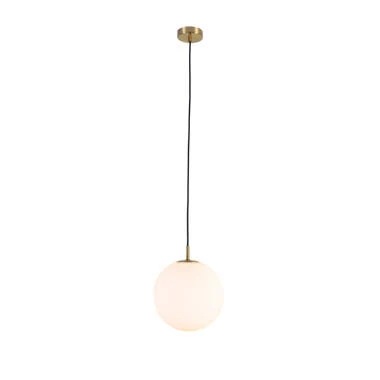
Edit Logan Glass Ceiling Pendant Light
Black - 300 mm
IN STOCK - Delivered in 1 to 2 working days
£40.00
(3)
£39.99
(3)Ref 410855
Edit Logan Glass Ceiling Pendant Light
Black - 250 mm
IN STOCK - Delivered in 1 to 2 working days

£49.99
(3)Ref 412324
Edit Logan Glass Ceiling Pendant Light
Brass - 300 mm
IN STOCK - Delivered in 1 to 2 working days
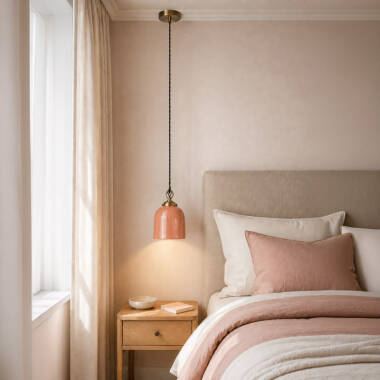
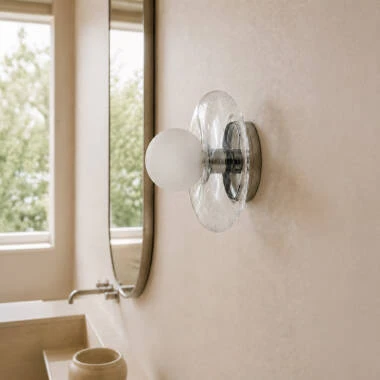

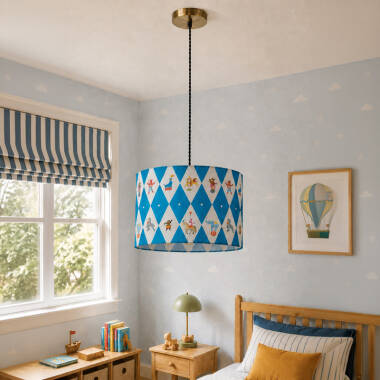
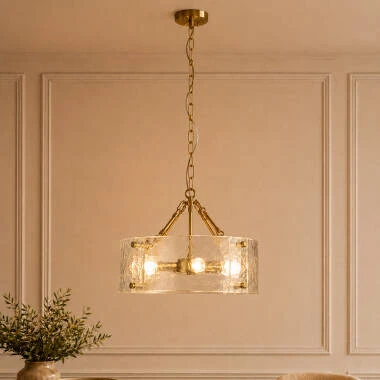
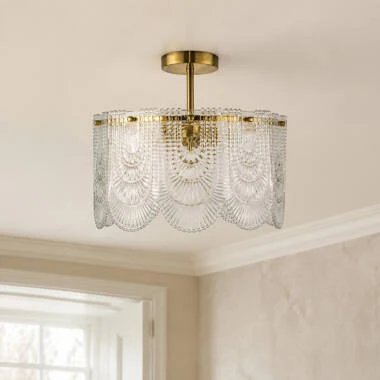
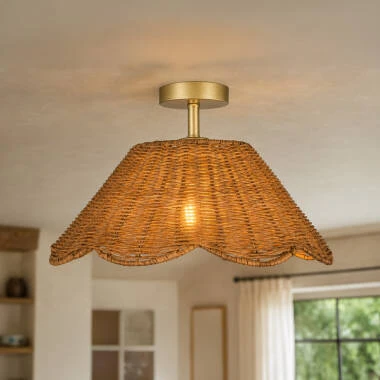
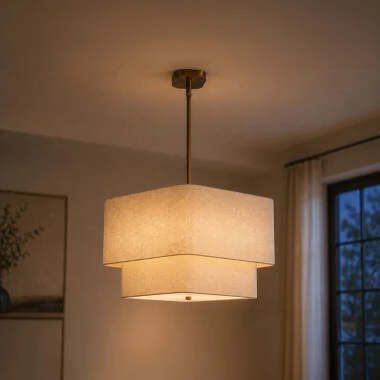
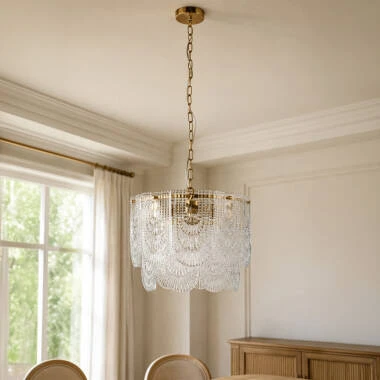
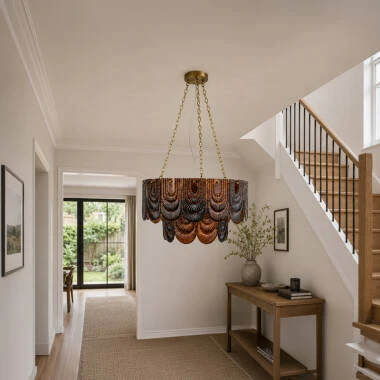
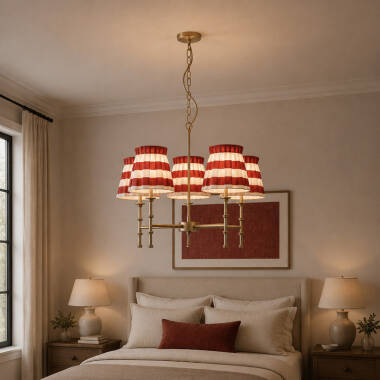
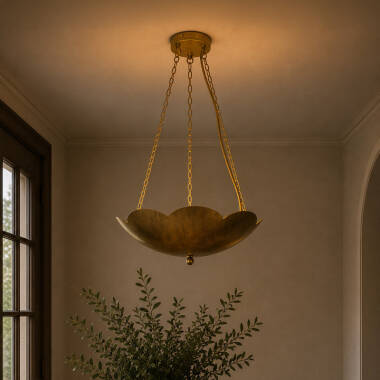
About Ceiling Lights
Ceiling lights are an essential part of any home’s lighting design, providing practical brightness, ambiance, and decorative features to rooms throughout the home. Whether you’re looking to create a cosy atmosphere in your living room, light up your dining area with a statement chandelier, or add task lighting to your kitchen, there is a ceiling light to suit any décor style and type of room. From flush mount fixtures, to pendant lights and chandeliers, ceiling lights come in a variety of sizes, shapes, and finishes to complement any décor. By installing the right ceiling light, you can transform the look and feel of your space, so that your home has a warm, inviting ambiance that’s perfect for relaxing, entertaining, and everyday living.
What types of ceiling lights are there?
There are a huge variety of ceiling lights available on the market, each with their own unique features and designs. These are some of the most popular types of ceiling lights, but remember that within each category of ceiling light, there is a massive amount of choice and design – so it isn’t just about deciding the type you want!
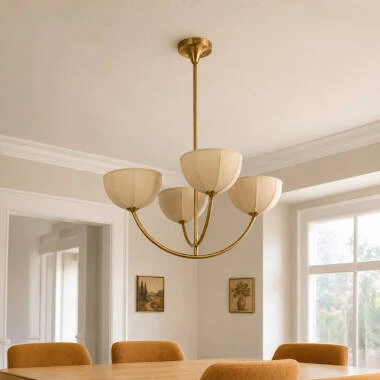
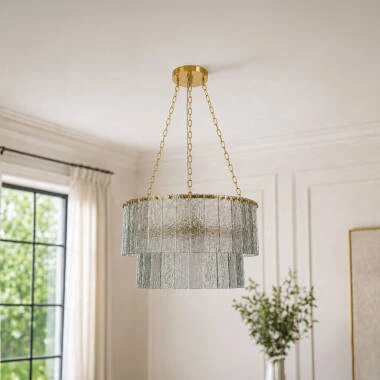
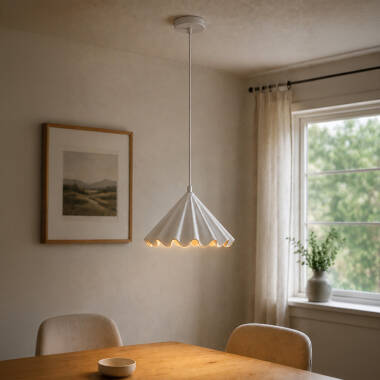
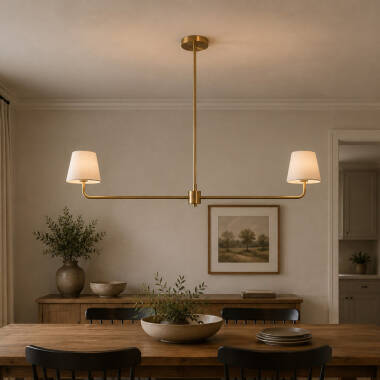
- Pendant lights hang from the ceiling on a chain or rod, and are really popular in kitchens, dining rooms, and home offices for above tables and desks.
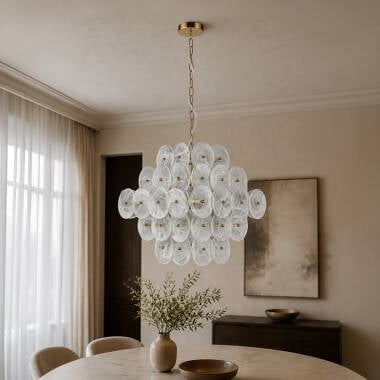
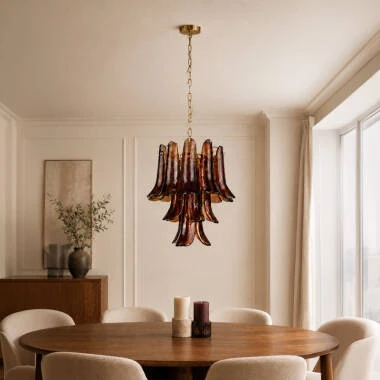
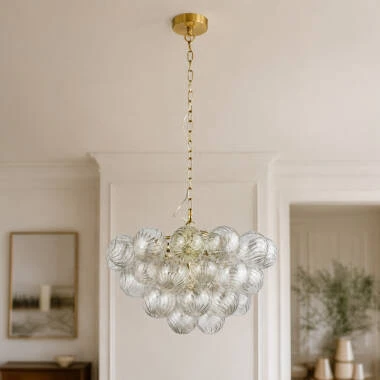
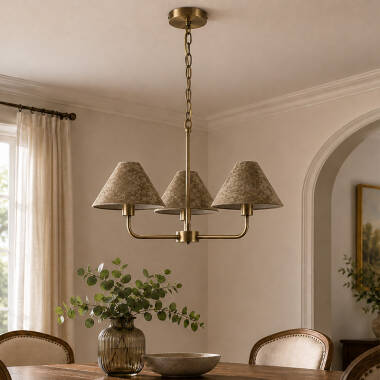
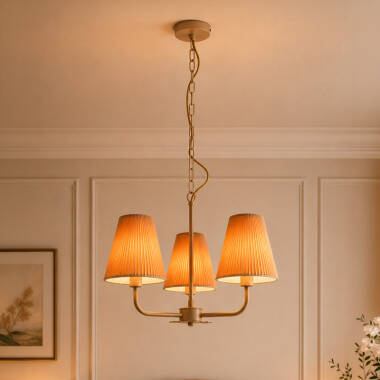
- Chandeliers are a specific type of pendant light with multiple arms that hold light bulbs, often used as a decorative statement in grand entryways or dining rooms.
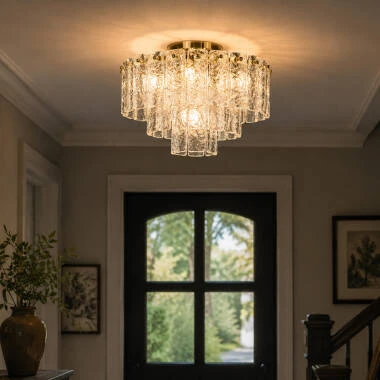
- Flush mount lights are installed to sit flush against the ceiling. They are ideal for low ceilings or rooms where space is limited.
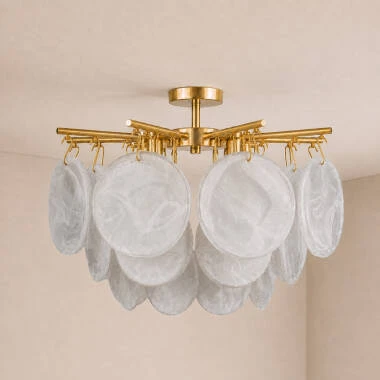
- Semi-flush mount lights are similar to flush mount lights, except that they extend down from the ceiling a few inches, providing a bit more depth and dimension to the fixture.
- Recessed lights are installed directly into the ceiling, providing a sleek and modern look. They are ideal for general or task lighting and can be used in any room of the house, and waterproof styles are popular in bathrooms.
- Track lighting consists of a track that is mounted to the ceiling, with customisable light fixtures that can be moved and aimed in different directions.
Each type of ceiling light offers its own advantages and can help create the desired brightness and atmosphere in a room. The choice ultimately depends on the function and design of the space – such as the height of the ceiling – as well as personal preference.
What décor styles do ceiling lights suit?
Ceiling lights can suit a wide variety of décor styles, from traditional to modern, and everything in between. The key is to choose a fixture that complements the overall style of your space and adds to the ambiance and aesthetic you’re looking to achieve. Here are some examples of ceiling light styles that work well with different décor styles:
- Traditional ceiling lights often feature classic designs and intricate details, such as chandeliers with crystal accents or pendant lights with bronze finishes. They work well in spaces with classic décor styles, such as Victorian or Georgian homes, bringing elegance and sophistication to rooms such as living rooms, dining rooms, and bedrooms.
- Contemporary ceiling lights feature sleek, minimalist designs and often incorporate new materials and technologies, such as LED bulbs and smart lighting systems. They work well in spaces with contemporary décor styles, such as loft apartments and minimalist homes. Contemporary ceiling lights can also be a good choice where you want other aspects of the décor to shine.
- Industrial ceiling lights often feature rugged, utilitarian designs and incorporate materials such as metal and exposed bulbs. They work well in spaces with an industrial or rustic décor style, such as converted warehouses or loft spaces, but can add little visual toughness to juxtapose with softer spaces such as bedrooms.
- Mid-century modern style ceiling lights often feature retro designs with clean lines and geometric shapes. They work well in spaces with mid-century modern décor styles, such as homes from the 1950s and 60s, and can add nostalgia and vintage charm where they are installed.
There are so many other types of ceiling lights available that can suit even more styles and décor choices, so it is easy to find a fixture that complements your home, helping to create the ambiance and aesthetic you’re looking to achieve.
How many ceiling lights do I need in a room?
The number of ceiling lights needed in a room depends on several factors, including the size of the room, the ceiling height, the purpose of the room, and the desired level of illumination. A couple of general guidelines to help get you started:
- For ambient lighting, a good rule of thumb is to provide 1 watt of light for every square foot of the room. For example, a 10-foot by 12-foot room (120 square feet) would require approximately 120 watts of lighting. This can be achieved with a single central ceiling light fixture or multiple fixtures spaced evenly throughout the room.
- Rooms with higher ceilings may require more lighting fixtures, or for the lighting fixtures to be fitted lower, to ensure enough brightness throughout the space. By the same token, rooms with lower ceilings may only require a single central fixture or flush-mount lighting.
Ultimately, the number of ceiling lights needed in a room is a personal choice and depends on the specific needs and preferences of the residents of the home. Some rooms – especially those that tend to have less natural light – may need more ceiling lights, or other layers of light, to get the right brightness throughout the day.
How do I choose the right size ceiling light for a room?
Choosing the right size ceiling light for a room is important to ensure that it provides adequate illumination and fits well with the room’s décor. A few tips from our experts to help you choose the right size ceiling light for your room:
- The size of the room should be the first factor to consider when choosing a ceiling light. Larger rooms usually need larger fixtures to provide adequate illumination and to make a visual impact. For example, a small bedroom may only require a 30cm flush mount fixture, while a large living room may need a 60cm chandelier to have the same impact. A small pendant light may look out of place in a large foyer with high ceilings, while a large chandelier may overwhelm a small dining room.
- The height of the ceiling is also important to consider when choosing a ceiling light. In rooms with higher ceilings, larger fixtures may need to hang lower to fill the space. On the other hand, rooms with lower ceilings may require flush-mount fixtures to avoid crowding the space or causing a hazard.
- The function of the room should also be considered when choosing a ceiling light. For example, a dining room may require a larger chandelier to create a focal point above the table and to suit the grandeur of the décor, while a home office may only require a smaller flush-mount fixture.
By considering these factors, you can choose a ceiling light that is the right size for your room – but don’t forget, these are guidelines, and you can choose what works best for you.
What type of bulb should I use in my ceiling light?
When choosing a bulb for your ceiling light, it’s important to consider the type of bulb that will provide the right amount of illumination while also being energy-efficient and long-lasting. LED bulbs are a popular choice for ceiling lights due to their numerous benefits. Here are some benefits of using LED bulbs in your ceiling light:
- LED bulbs are highly energy-efficient and use up to 80% less energy than traditional incandescent bulbs. This means you can save money on your energy bills and is better for the planet.
- LED bulbs have a much longer lifespan than traditional bulbs, with an average lifespan of up to 25,000 hours. This means you won’t have to replace the bulbs as often, saving you time and money in maintenance.
- LED bulbs are available in a variety of brightness levels and colour temperatures, allowing you to choose a bulb that provides the right amount of illumination and colour for your space. Some styles are also colour changing, so you don’t have to make a decision – you can have the right colour and brightness, when you need it.
- LED bulbs are highly durable and resistant to damage from shock, vibration, and extreme temperatures.
- LED bulbs give instant brightness, without the delay or warm-up time associated with older bulbs.
When choosing an LED bulb for your ceiling light, be sure to check the bulb’s lumen output to ensure that it provides the right amount of illumination for your space. Overall, though, using LED bulbs in your ceiling light can help you save energy and money – and who doesn’t love saving money?
How do I install a ceiling light?
Installing a ceiling light can be a great way to add a new focal point to a room or improve the brightness of your space. However, it’s important to ensure that the installation is done safely and correctly to avoid any electrical hazards. Installing a ceiling light can be more complicated than it seems, especially if you’re dealing with older wiring or a complex fixture.
If you’re not comfortable with electrical work or if you’re doing anything more complicated than changing a light shade, it is always best to work with a qualified electrician to ensure that the installation is done safely and correctly. Electrical work can be dangerous, and it’s always better to err on the side of caution to protect yourself and your home.
How high should I hang my ceiling light?
The height at which you hang your ceiling light depends on several factors, including the height of the ceiling, the size and style of the fixture, and the purpose of the light. Here are some general guidelines to follow when hanging a ceiling light:
- If your ceiling is less than 8 feet high, consider using a flush-mount fixture to avoid making the space feel cramped. For ceilings between 8 and 10 feet high, a pendant or chandelier can be hung 30-36 inches above the tabletop or highest point of the furniture. For higher ceilings, the fixture can be hung higher to create a more dramatic effect.
- The style of the fixture can also affect the hanging height. For example, a chandelier with long, sweeping arms may need to be hung higher to avoid interfering with the surrounding furniture, or posing a hazard.
- Consider the purpose of the light when choosing the hanging height. For example, if the light is intended to provide task lighting over a kitchen island, it should be hung lower to provide focused illumination. If the light is intended to provide ambient lighting in a living room, it can be hung higher to provide a more general glow.
Can I use a dimmer switch with my ceiling light?
Yes, in most cases you can use a dimmer switch with your ceiling light, but you’ll need to check that the bulb and fixture are compatible with a dimmer switch. Some LED bulbs and fixtures are not compatible with standard dimmer switches, so make sure that everything you choose is compatible.
While dimmer switches are a great way to adjust the brightness of your ceiling light to create the perfect atmosphere in your space, smart lighting systems that connect to Wi-Fi and smartphone apps now offer even greater control over your lighting. With smart lighting, you can adjust the brightness and colour temperature of your lights from your smartphone or tablet, create custom lighting schedules, and even control your lights with voice commands through smart home assistants like Amazon Alexa or Google Home.
Smart lighting systems also offer energy-saving features, such as automatic dimming and scheduling, which can help reduce your energy consumption and save you money on your electricity bills. Some systems also offer advanced features like colour changing bulbs, motion sensors, and integration with other smart home devices for added convenience and control.
Whether you choose to use a dimmer switch or a smart lighting system for your ceiling light depends on your home and who lives there. Both options offer benefits and can help you create the perfect lighting environment for your space – it just depends on which type of dimmer suits you best.
Can I replace my ceiling light without hiring an electrician?
The answer depends on your level of comfort and experience with electrical work. In general, replacing a ceiling light can be a relatively simple DIY project that doesn’t require hiring an electrician – as long as you turn the power off, of course. However, if you’re not comfortable working with electrical wiring or if you’re dealing with a complex fixture or older wiring, it’s always best to hire a qualified electrician to ensure that the installation is done safely and correctly.
What should I do if my ceiling light stops working?
If your ceiling light stops working, there are several steps you can take to troubleshoot the problem and potentially fix it yourself. Here are some general guidelines to follow:
- The first step is to check the bulbs to make sure they are securely screwed in and not burnt out. If the bulbs are loose, tighten them gently. If the bulbs are burnt out, replace them with new ones.
- If the bulbs are not the problem, the next step is to check the wiring. Turn off the power to the circuit at the main circuit breaker and remove the light fixture from the ceiling. Check the wiring connections to ensure that they are secure and not damaged or corroded. If the connections are loose or damaged, repair or replace them as needed.
- If the wiring connections are not the problem, the next step is to check the switch. Use a voltage tester to check the voltage at the switch and make sure that it is working properly. If the switch is faulty, replace it with a new one.
- If none of the above steps resolve the issue, the problem may be with the circuit breaker. Check the circuit breaker to make sure that it is not tripped or turned off. If it is tripped, reset it and check the light again. If the breaker trips again, there may be a more serious issue with the electrical system and you should contact a qualified electrician.
If these don’t fix the issue, or you’re not comfortable with electrical work, then get a qualified electrician to diagnose and repair the problem. Electrical work can be dangerous, and it’s always better to ensure that the repair is done safely and correctly to protect yourself and your home.
Do I need to worry about an IP safety rating for ceiling lights?
Yes, the IP (Ingress Protection) safety rating is an important consideration when selecting a ceiling light, especially for areas that are exposed to moisture or dust. The IP rating indicates the level of protection provided by the light fixture against the ingress of foreign objects such as dust, water or other liquids.
For most areas of the home, such as living rooms, bedrooms and hallways, an IP20 rating is sufficient. This rating provides protection against solid objects larger than 12.5mm, but it does not offer any protection against water or moisture.
However, for areas such as bathrooms, kitchens, and outdoor spaces, where the risk of moisture and exposure to water is higher, it’s important to choose fixtures with higher IP ratings. In bathrooms, a minimum IP44 rating is recommended for ceiling lights to ensure protection against splashes of water, while an IP68 rating may be necessary for lights that will be fully submerged in water. such as pond lighting, or installed outside.
Are there any rooms where ceiling lights aren’t suitable?
While ceiling lights are a popular choice for many rooms in the home, there are some spaces where they may not be the best choice. In areas with low ceilings, for example, ceiling lights may not provide enough clearance and can make the space feel cramped. In these cases, it’s best to consider alternative lighting options such as wall lights or recessed lighting.
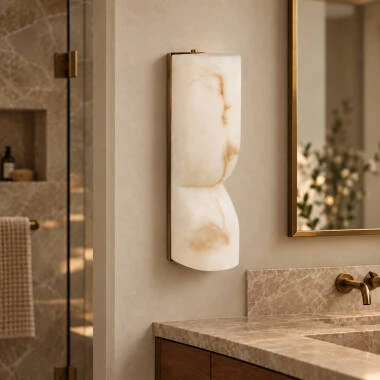
Wall lights are a great alternative to ceiling lights in spaces with low ceilings. They can provide the same level of illumination as ceiling lights while taking up minimal space, making them a great choice for small rooms or areas with low ceilings such as hallways or stairwells. Wall lights are available in a variety of styles and designs, including sconces, picture lights, and uplighters, allowing you to choose a fixture that complements your décor and provides the right level of illumination for your needs.
Recessed lighting is another alternative to ceiling lights that can be used in spaces with low ceilings. Recessed lights are installed directly into the ceiling, creating a clean, streamlined look that takes up minimal space. They can be used to provide general illumination or to highlight specific areas such as artwork or architectural features. Recessed lights are available in a variety of sizes and styles, allowing you to choose a fixture that works with your décor and provides the right level of illumination for your space.
While ceiling lights are a popular choice for many rooms in the home, there are some spaces where they may not be suitable due to low ceilings. In these cases, wall lights or recessed lighting can be great alternatives that provide the same level of illumination while taking up minimal overhead space. Be sure to consider your specific needs and the layout of your space when choosing the right lighting.
Our final thoughts
Choosing the right ceiling light is an important decision that can have a significant impact on the look and feel of your space. Whether you’re looking for a flush-mount fixture for a small bedroom or a statement chandelier for a grand foyer, there are many options to choose from to suit your style and budget.
At Lighting Direct, we understand that selecting the perfect ceiling light can be a daunting task, which is why we offer our Change Your Mind Guarantee. If you’re not completely satisfied with your purchase, you can request a return or exchange within 30 days of delivery. So why not browse our range today and find the perfect ceiling light for your home? Our knowledgeable and friendly team is always available to help you find the perfect lighting solution for your needs.