
LED Ceiling Lights
Our featured products from LED Ceiling Lights
- -28% OFF
Was £19.99
£14.39
 (85)
(85)Ref 61417
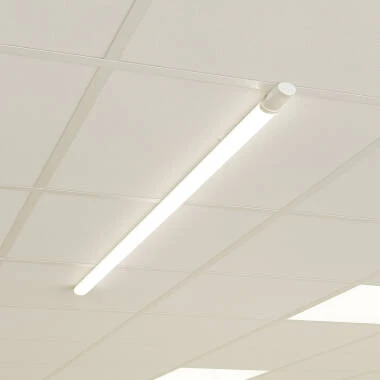
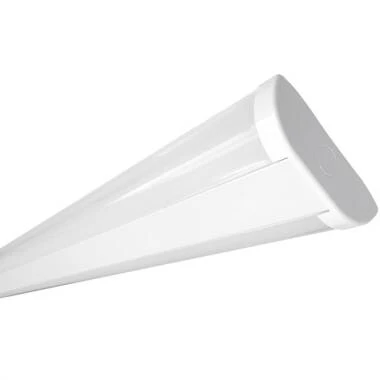
Tough Eco 40W Cool White LED Weatherproof Batten IP65 - 5ft Single
White
IN STOCK - Delivered in 1 to 2 working days

£25.00
(2)Ref E3156
Edit Allharo 30W Round CCT Selectable LED Flush Ceiling Light
Selectable (Warm - Cool - Daylight)
IN STOCK - Delivered in 1 to 2 working days
- -61% OFF

Was £8.99
£3.47
Ref E1887
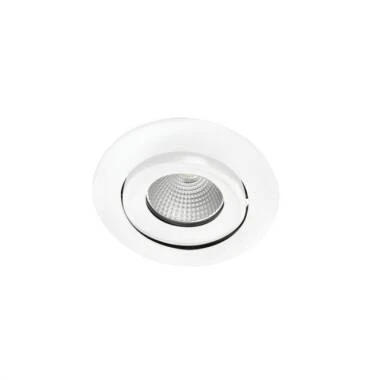
Slim Round 7W CCT LED Downlight
No Flicker Selectable (Warm - Cool - Daylight) 2700K - 4000K - 6000K
IN STOCK - Delivered in 1 to 2 working days

£5.99
Ref E1883
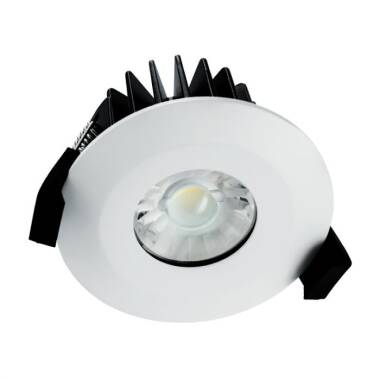
Round High Lumen 8W LED Downlight Cutout 75mm - White Body
Cool White 4000K
IN STOCK - Delivered in 8 to 14 working days

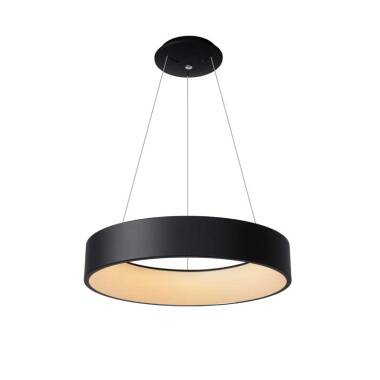
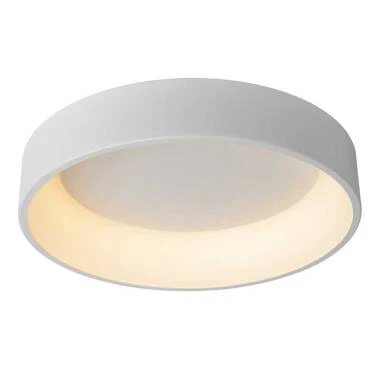
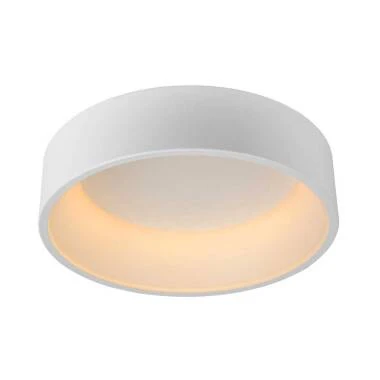
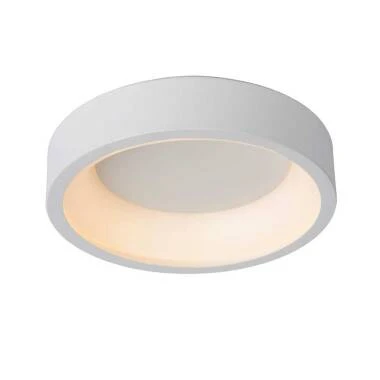





About LED Ceiling Lights
Ceiling lights are a vital component of any home's lighting scheme, providing general illumination to rooms and serving as a key design feature, and increasingly, LED ceiling lights are becoming the norm. From traditional to modern, there are a wide variety of LED ceiling lights available to suit different tastes and styles. Whether you're looking for a statement light to elevate your decor, or you simply need functional lighting for a room, choosing the right ceiling light is crucial. In this guide, we'll take a closer look at the different types of LED ceiling lights, materials, and installation considerations to help you find the perfect fixture for your home.
How are LED ceiling lights different to regular ceiling lights?
LED ceiling lights are different from regular ceiling lights in several ways. Firstly, they use LED (Light Emitting Diode) technology, which is more energy-efficient than traditional lighting options, and since LED lights use less electricity than incandescent bulbs to produce the same amount of light, this can result in significant savings on energy bills over time. Additionally, LED lights have a longer lifespan than traditional bulbs, which means they need to be replaced less frequently. LED ceiling lights also come in a variety of shapes, sizes, and styles, and many styles are dimmable and colour changing, so you can get the exact lighting that you need.
How are LED ceiling lights used in the home?
LED ceiling lights are a popular lighting option for homes as they provide overhead illumination to brighten up a room. They can be used in a variety of ways, such as to provide general lighting for a space, to highlight certain areas or features of a room, or to create a specific mood or ambiance. In some rooms, such as kitchens and bathrooms, ceiling lights may be the primary source of illumination, while in other rooms, such as living rooms and bedrooms, LED ceiling lights can be used in combination with other lighting sources, such as table lamps and floor lamps, to create a layered lighting effect.
Why should you use ceiling lights?
Ceiling lights are the primary lighting option in most rooms in the home for several reasons. First, they provide ample lighting to completely illuminate a room or space, which allows you to use the space at all hours of the day or night. Second, as we just mentioned, they can be used as part of a layered lighting scheme, depending on your needs and preferences. Finally, ceiling lights come in a variety of styles and designs to suit different decor styles, so you can choose a light fixture that enhances the overall look of your space.
What are the different types of ceiling lights?
There are many different types of ceiling lights available to choose from, and all these types are available with integrated LEDs, giving you all the benefits that LED lights have to offer.
- Flush mount lights sit close to the ceiling and are a good option for rooms with low ceilings or where space is limited.
- Semi-flush mount lights are similar to flush mount lights, but they hang down a few inches from the ceiling.
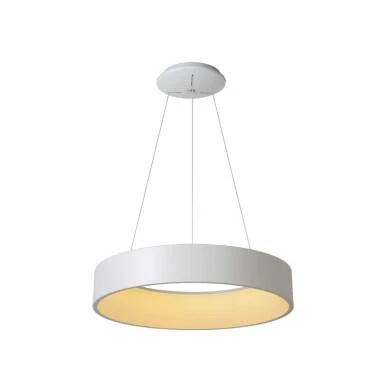
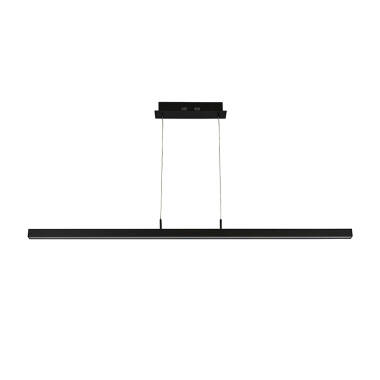
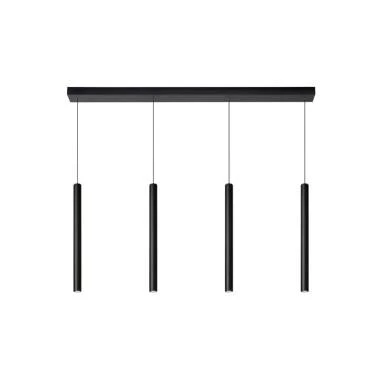
- Pendant lights hang from the ceiling and are a popular choice for kitchen islands, dining tables, and other areas where focused lighting is needed.
- Chandeliers are elegant lights that hang from the ceiling and feature multiple bulbs, making them ideal for grand entryways, dining rooms, and other large spaces.
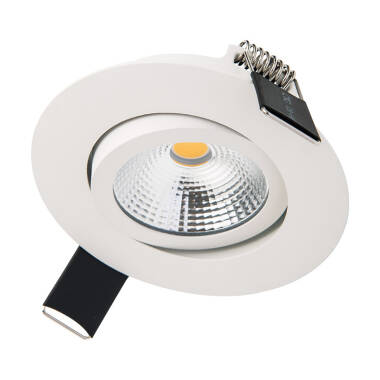
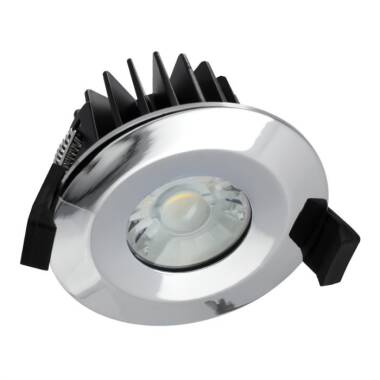
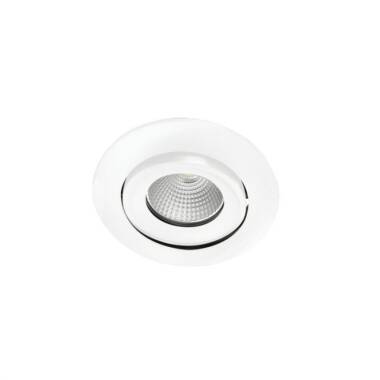
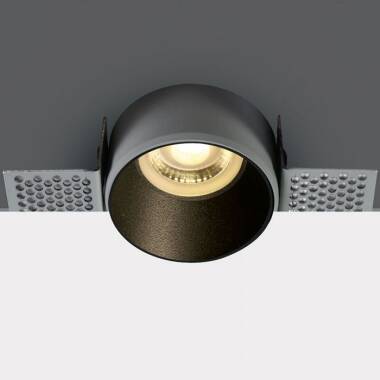
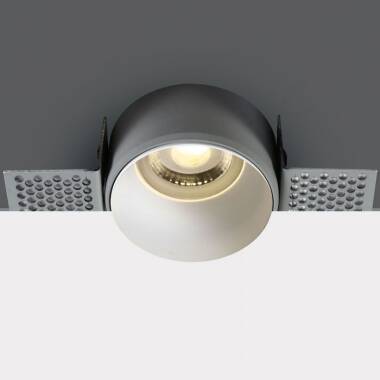
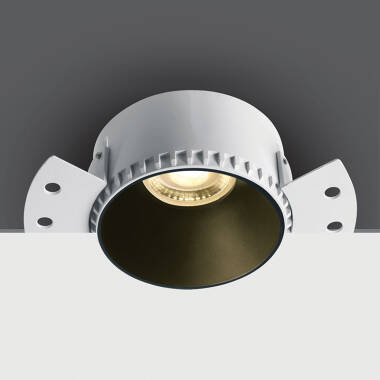
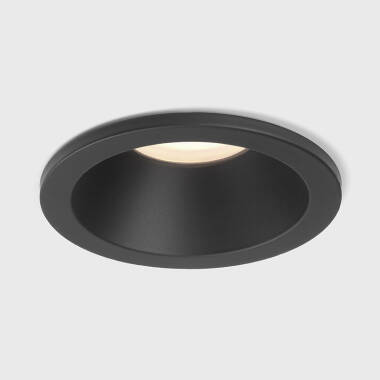
- Recessed lights are installed directly into the ceiling and provide a clean, modern look. They are often used in kitchens, bathrooms, and other areas where task lighting is needed.
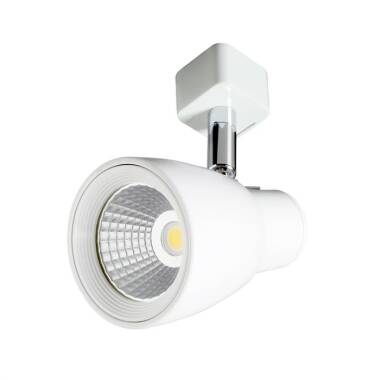
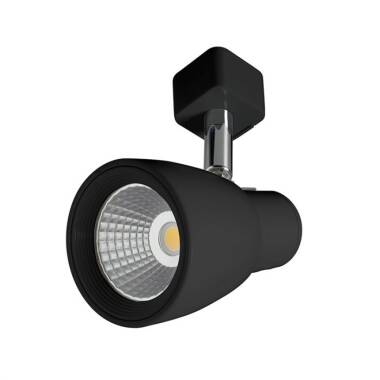
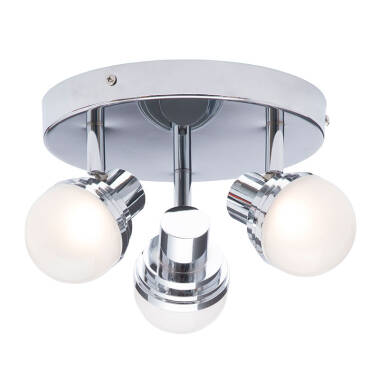
- Track lights feature multiple adjustable heads that can be directed to highlight specific areas or objects in a room. This type of ceiling lighting is perfect for kitchens, where multiple light fittings are required.
- Ceiling fans with lights serve a dual purpose by providing both lighting and air circulation in a room. They are a popular choice for bedrooms, living rooms, conservatories, and home offices where a comfortable atmosphere is important.
The type of ceiling light you decide on will depend on your personal style, the function of the room, and your lighting needs.
What materials are LED ceiling lights available in?
Since ceiling lights are an essential part of any home's lighting design, there's little wonder that there is a vast array of materials to choose from to add character and style to any room. Metal is a popular choice for ceiling lights as it is durable, contemporary in style and has various finishes such as chrome, stainless steel and brass. Glass ceiling lights are equally as versatile and can be clear, frosted, or textured, and even coloured. Fabric ceiling lights can add a soft, warm touch to a room, and they come in various materials such as linen, cotton and silk. Wooden ceiling lights offer a natural and rustic look, and they can be made from a variety of woods and wood finishes, including oak, pine, and birch.
What colours are LED ceiling lights available?
The best colour for ceiling lights largely depends on the purpose of the room and the mood you want to create. For example, warm colours like yellow, orange, and red can create a cosy and welcoming atmosphere, making them suitable for living rooms and bedrooms. On the other hand, cool colours like blue and green can create a calm and serene environment, making them suitable for bathrooms and bedrooms. Alternatively, white and neutral-coloured ceiling lights can provide a bright and clean feel, making them a popular choice for kitchens and workspaces. Ultimately, the decision is yours, but make sure you consider the overall design of the room and choose a colour that complements it.
Does an LED ceiling light need a certain safety rating?
Yes, all ceiling lights need a certain safety rating to ensure they are suitable for use in different environments. One important safety rating to look for is the IP (Ingress Protection) rating, which indicates the level of protection a light fitting provides against solid objects and liquids. The first digit of the IP rating refers to solid object protection, with a rating of 0 indicating no protection and a rating of 6 indicating complete protection. The second digit refers to liquid protection, with a rating of 0 indicating no protection and a rating of 8 indicating protection against immersion in water.
The appropriate IP rating for a ceiling light will depend on where it will be installed. In general, IP20 is fine for general areas of the home, but a bathroom ceiling light should have a minimum rating of IP44 to protect against water splashes, and if the light is above or inside the shower cubicle, then IP68.
What colour temperature is best for LED ceiling lights?
The best colour temperature for LED ceiling lights depends on the purpose and mood of the room. For example, a warm white light with a colour temperature of around 2700K to 3000K is suitable for living rooms and bedrooms, as it creates a more relaxed atmosphere. A cool white light with a colour temperature of around 4000K to 5000K is suitable for kitchens and bathrooms, as it provides a bright and energising light for tasks. Daylight white with a colour temperature of around 5000K to 6500K is suitable for offices and workspaces, as it provides a bright and stimulating light that can help with focus and concentration. The choice of colour temperature depends on your own personal preference, as well as the intended use of the space.
Can LED ceiling lights be connected to smart home systems?
Yes, many LED ceiling lights can be connected to smart home systems, allowing you to control the lights with your voice, smartphone, tablet, or home voice assistant. By connecting your ceiling lights to a smart home system, you can adjust the brightness and colour temperature of the lights, as well as being able to turn them on and off from anywhere. You may be able to set schedules and create scenes to automate your lighting, making it easier to control your home's ambiance and energy usage, potentially saving money on your electricity bills. To connect your ceiling lights to a smart home system, you'll need to make sure that the lights are compatible with the system you're using, and follow the manufacturer's instructions for setup.
Can all LED ceiling lights be dimmed?
Not all LED ceiling lights can be dimmed, but some can be if they are designed with dimming capabilities or with the use of compatible dimmer switches. Additionally, it may be possible to use smart bulbs to dim certain types of ceiling lights that are not dimmable as bought from the manufacturer. Smart bulbs can be controlled remotely using a smartphone or smart home device, allowing you to adjust the brightness and create customised lighting scenes.
How are LED ceiling lights fitted?
Ceiling lights are typically fitted by an electrician. The process involves turning off the power supply to the room and following the instructions that come with the light fixture. The steps may vary depending on the type of ceiling light, but generally involve removing the old fixture, attaching the mounting bracket to the ceiling, connecting the wires, and attaching the fixture to the bracket. It is important to ensure that the ceiling is capable of supporting the weight of the fixture, and that all wiring is properly connected and secure before turning the power back on. Unless you're skilled at working with electricals, we highly recommend that you seek professional assistance with fitting LED lights, and particularly in areas like bathrooms.
What height should LED ceiling lights be fitted?
The height at which ceiling lights should be fitted depends on the type of ceiling light and the height of the ceiling. Generally, flush mount ceiling lights should be mounted to the ceiling with a clearance of at least 7 feet (2.1 meters) to prevent anyone from accidentally hitting their head on the fixture. For pendant lights, that are above a table, desk, or kitchen island, the bottom of the fixture should be at least 30 inches (76 centimetres) above the surface of the table or counter it is illuminating. For spaces with high ceilings, the pendant light may be raised higher to create a more dramatic effect. It is important to read the manufacturer's instructions for the specific ceiling light to ensure proper installation and mounting height.
What styles of interior décor can you get LED ceiling lights to suit?
Our range of LED ceiling lights has a massive amount of choice, with styles to suit various interior décor trends. For a minimalist and modern look, you may opt for a sleek and simple ceiling light with clean lines and a metallic finish, while if your style is more traditional or ornate, you may prefer a chandelier-style ceiling light with intricate details and embellishments. If your home is rustic or industrial in style, you may choose a ceiling light with exposed bulbs or a metal cage-style design. There are also ceiling lights designed to complement specific décor themes, such as Art Deco, mid-century modern, and Scandinavian.
How should I pick an LED ceiling light?
When choosing an LED ceiling light, there are a few things to consider. First, think about the function of the room and the type of lighting that is needed. For example, a kitchen may require bright, task-oriented lighting, while a bedroom may benefit from softer, ambient lighting "“ and multipurpose rooms may need a light that can change the colour temperature, or be dimmable. Next, consider the size of the room and the height of the ceiling to ensure that the light is proportionate and not too overwhelming or small, and then look at the styling of the room and choose a light that complements the décor. Additionally, think about the type of bulb you want to use and make sure that the ceiling light is compatible. Finally, consider any special features you may want, such as smart home integration.
Our final thoughts
At Lighting Direct, we understand that finding the perfect LED ceiling light can be a daunting task, but we're here to help. With a wide range of materials, styles, and colours to choose from, we're confident that you'll find a ceiling light that suits your home and personal style, and should you have any questions, our team of experts are on hand. And, with our Change Your Mind Guarantee, you can shop with peace of mind knowing that you have 30 days to return or exchange your item if it's not quite right. So why not browse our range of ceiling lights today and find the perfect lighting solution for your home?