
Children's Lighting


Our featured products from Children's Lighting
- -40% OFF
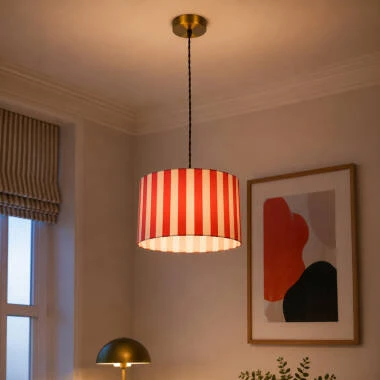
Was £29.99
£17.99
- -40% OFF
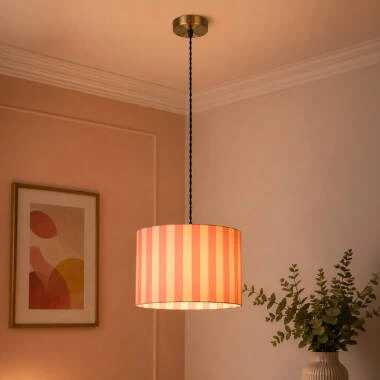
Was £29.99
£17.99
- -20% OFF
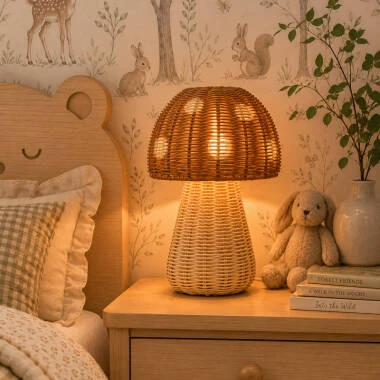
Was £35.50
£28.39
- -20% OFF
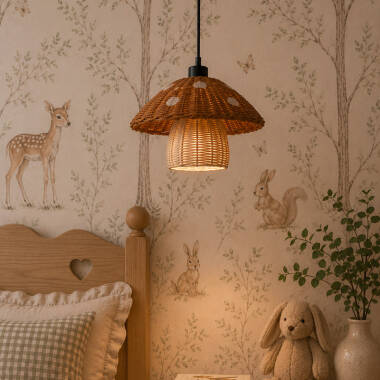
Was £35.50
£28.39
Ref NLY0012796
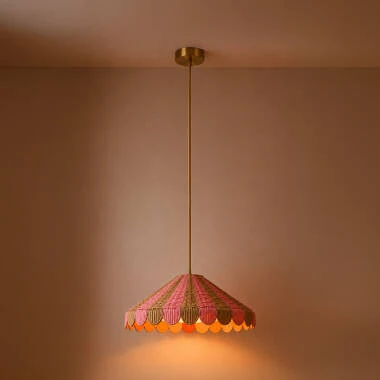
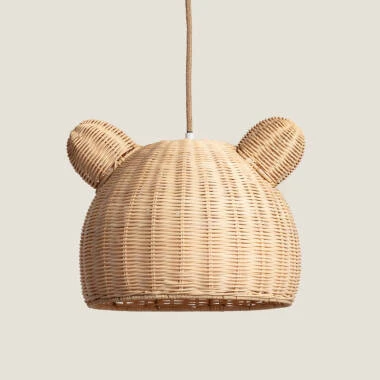
Edit Toadie Rattan Ceiling Pendant Light
Brown
IN STOCK - Delivered in 1 to 2 working days
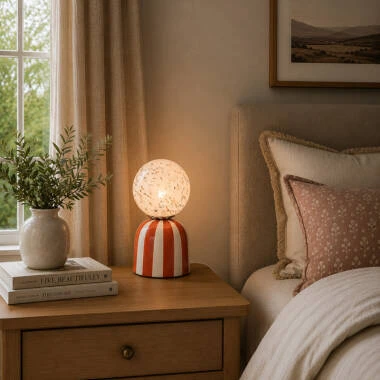
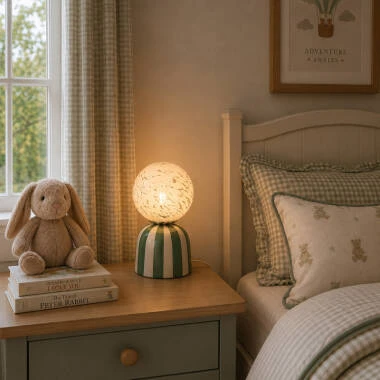
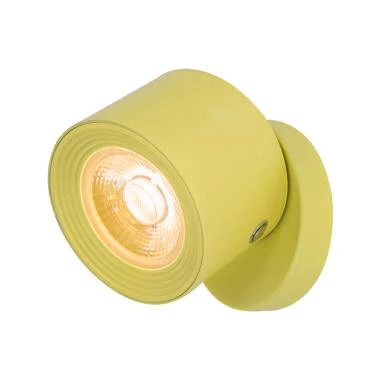
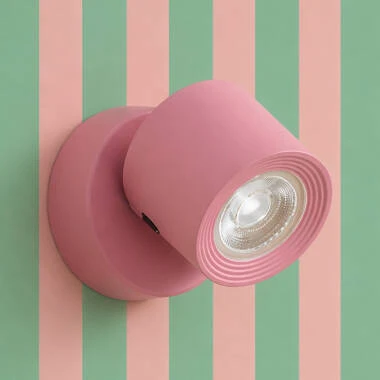
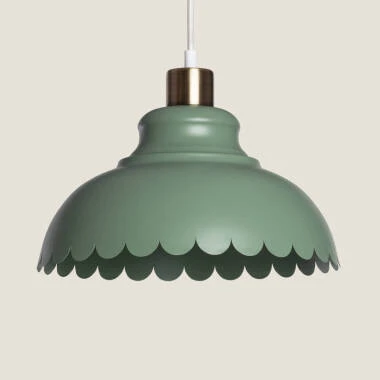
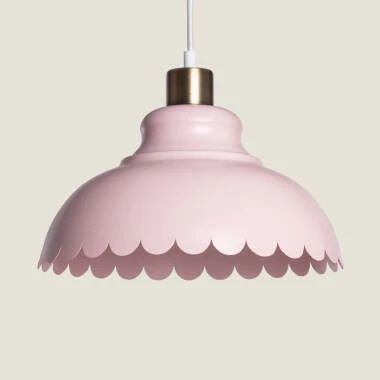
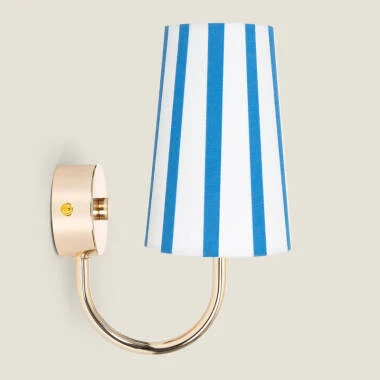

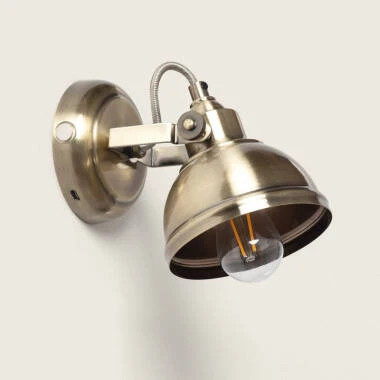
About Children's Lighting
A child's bedroom is their own little domain "“ and lighting is an important part of making it their own. Not only does lighting provide necessary illumination for various activities during the day and prior to bedtime, but it can also play a significant role in creating a comfortable and relaxing environment that promotes healthy sleep patterns. With so many lighting options available, from ceiling lights to table lamps to night lights, it can be challenging to decide which are the best choices for your child's bedroom. In this post, we'll explore some key considerations for choosing the right lighting for your child's bedroom and offer some helpful tips to help you create a functional, safe, and inviting space.
What type of lighting should I use in my child's bedroom?
It really depends on the age of your child, and how they like to use their bedroom, but it is recommended to use a combination of ambient lighting and task lighting. Ambient lighting provides overall illumination for the room, while task lighting is used for specific activities like reading or playing games.
Ceiling lights are a popular choice for ambient lighting in children's bedrooms. You can choose from a range of fixtures such as a flush mount, or a pendant light, or even a chandelier if you've got a child who loves all things sparkly! Table lamps or floor lamps are good options for task lighting, especially for reading or doing homework, while wall sconces are another option that can be used to set the lighting to the right level.
Whatever type of lighting fixtures you choose, it is important to make sure the lighting is not too harsh or too dim for a child's bedroom, as it can affect their mood and sleep patterns.
How bright should the lights be in a child's bedroom?
The brightness of the lights in a child's bedroom should be appropriate for their age and activities. For example, if your child is very young and still requires night-time feeds or changes, you'll want to have a low level of lighting that doesn't disrupt their sleep.
In general, the brightness of the lights should be adjustable to suit different needs and preferences. For ambient lighting, a light level of around 300-500 lumens is usually sufficient, while task lighting should be brighter, around 500-1000 lumens.
It is important to note that brighter lights are not always better, especially for a child's room. Very bright lights can cause discomfort and strain on the eyes, which can make it harder for your child to sleep. So make sure you strike a balance between sufficient lighting and a comfortable level of brightness.
Should I use warm or cool light in my child's bedroom?
In a child's bedroom, it's generally better to use warm light instead of cool light. Warm light has a yellowish-orange hue that creates a cosy and relaxing atmosphere, which is particularly important in a child's bedroom where they need to feel calm and comfortable. Cool light, on the other hand, has a bluish-white hue that can have a more energising and stimulating effect. While this may be appropriate for certain areas of the house like the kitchen or bathroom, it's not recommended for a child's bedroom, especially at bedtime when you want your child to be able to sleep.
You may want to strike a balance between warm and cool light in a child's bedroom. Consider using a dimmer switch or smart lighting that can be customised to suit your child's needs at different times of day, especially if you have a smart assistant like Alexa or Google Nest.
Are night lights necessary in a child's bedroom?
Night lights are not always necessary in a child's bedroom, but they can be helpful for children who are afraid of the dark, or to help parents who check on their child during the night, without waking them.
Dimmable LED lights are a good option for night lights in a child's bedroom because they are energy-efficient and can be adjusted to a low level of brightness. This means that they won't use much electricity, and won't stop your child sleeping. You can choose from a variety of colours, including warm white, to create a calming and comfortable environment for your child.
Fairy lights are another option for providing small amounts of ambient light in a child's bedroom. They are particularly popular because they create a magical atmosphere that children love. You can use them to decorate the walls or ceiling of your child's room, or even create a DIY canopy around their bed for a comforting, star-like effect.
Whether or not to use night lights in a child's bedroom is a personal choice that depends on your child's needs and preferences. If your child is afraid of the dark, or has trouble sleeping without some light, a night light can be a helpful solution. If your child is comfortable sleeping in complete darkness, then of course, you might not need one.
What light fixtures are best for a child's bedroom?
When choosing light fixtures for a child's bedroom, it's important to consider the functionality, safety, and aesthetic appeal of the fixture. Here are some options to consider:
- Ceiling lights are a popular choice for a child's bedroom as they provide general illumination for the entire room. You can choose from a range of fixtures such as a flush mount or a pendant light. You may want to consider a dimmer switch to adjust the brightness of the light as needed.
- Table lamps or floor lamps are great options for task lighting in a child's bedroom, especially for reading or doing homework. They can be positioned in different locations around the room to provide targeted lighting where it's needed. Look for sturdy styles that won't easily tip over.
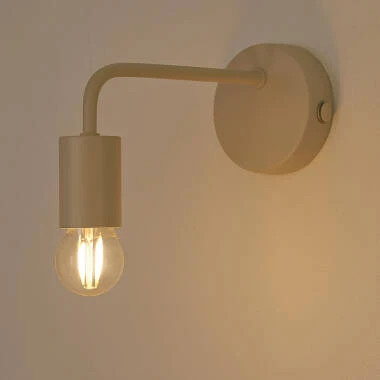
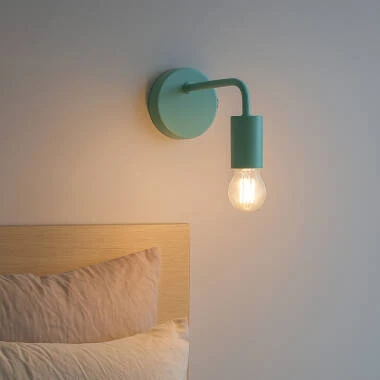
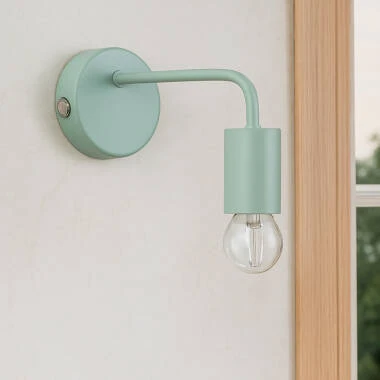
- Wall sconces are another option for ambient lighting and can also be used as an alternative to ceiling lights. They are a great space-saving option, as they don't take up any floor or table space.
- Night lights are helpful for children who are afraid of the dark, or for parents that are checking in on their child in the dark. LED night lights are a great option as they are energy-efficient and can be adjusted to a low level of brightness.
- String lights or fairy lights are a fun and whimsical alternative to nightlights in a child's bedroom. They can be hung on walls, ceilings, or around the bed to create a magical and inviting atmosphere.
What colour should light fixtures be in children's bedrooms?
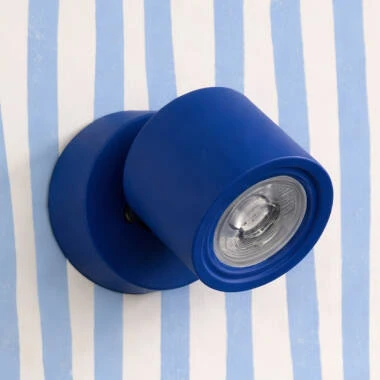
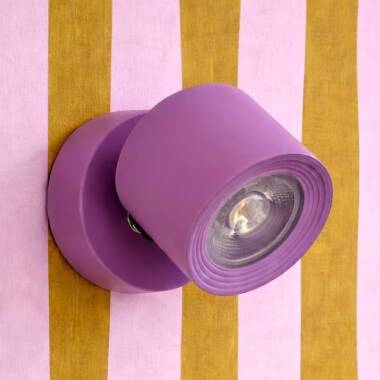
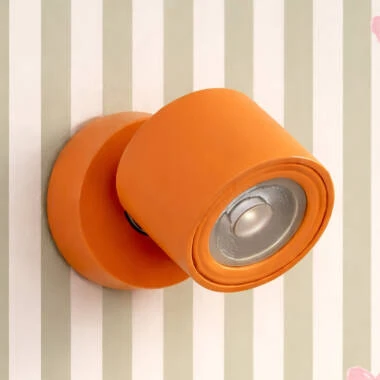
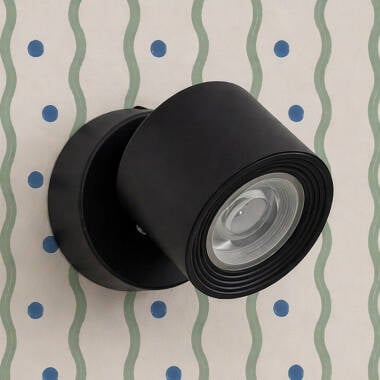
When it comes to choosing the colour of light fixtures in a child's bedroom, it's important to consider both the child's preferences and the overall design of the room. Rather than choosing stereotypical colours like pink for girls, and blue for boys, it's better to choose colours that complement the room's décor and reflect the child's personality and preferences.
For example, if the room has a neutral or minimalist décor, you may want to choose light fixtures in bold or bright colours to add a pop of personality and fun. If the room has a specific theme, such as a jungle, or under-the-sea theme, you can choose fixtures in colours that reflect that theme.
It's also important to involve your child in the decision-making process when choosing light fixtures. Ask them what colours they like and what type of fixtures they prefer. By involving your child in the process, you can ensure that they feel a sense of ownership and pride in their room, which can help to promote a positive and happy environment.
Ultimately, there isn't a correct answer to the best colour for light fixtures in your child's bedroom, because the colour of light fixtures in a child's bedroom should reflect the child's personality and preferences, as well as the design of the room. By choosing colours that your child likes, and that complement the décor, you can create a space that your child will love for years to come.
Can lighting affect my child's sleep patterns?
Yes, lighting can affect your child's sleep patterns. Exposure to bright light before bedtime can interfere with the production of the sleep hormone melatonin, which can make it harder for your child to fall asleep, and to stay asleep. On the other hand, dimmer, and warm-toned lighting can promote relaxation and improve sleep quality.
As we've already mentioned, it's also important to consider the colour temperature of the lighting in your child's bedroom. Cool light with a bluish-white hue can be stimulating and disrupt your child's sleep, while warm light with a yellowish-orange hue can be soothing and promote relaxation.
To promote healthy sleep patterns in your child, it's important to establish a consistent bedtime routine that includes dim lighting in the hour or so leading up to bedtime. This can help to signal to your child's body that it's time to wind down and get ready for sleep. You might also consider using low-wattage bulbs or installing dimmer switches to adjust the lighting levels in your child's room as needed.
How do I choose the right size of light fixtures for my child's bedroom?
Choosing the right size of light fixtures for your child's bedroom can help to ensure that the lighting is both functional and aesthetically pleasing. Here are some tips to help you choose the right size of light fixtures for your child's room:
- The size of the room should be the primary factor in determining the size of the light fixture. For a small room, a smaller fixture would be appropriate, while a larger room could accommodate a larger fixture.
- The height of the ceiling is another important factor to consider when choosing the size of a light fixture. A higher ceiling will require a larger fixture, or to be hung lower in order to provide adequate lighting, while a lower ceiling may need a smaller fixture.
- The purpose of the light fixture will also impact the size you choose. If the fixture is meant to provide ambient lighting for the entire room, a larger fixture would be appropriate. However, if the fixture is meant for task lighting, such as a bedside lamp or desk lamp, a smaller fixture would be more appropriate.
- While size is important, it's also important to consider the style of the light fixture and how it will fit in with the décor of your child's room. A fixture that is too large or too small can look out of place and detract from the overall aesthetic of the room.
- Think about the age of your child and how they play. If they are younger and more boisterous, then this may influence the choice of lighting that you install.
How do I install lighting fixtures in my child's bedroom?
If the lighting fixtures in your child's bedroom require hardwiring, it's recommended that you work with a qualified electrician to ensure that the installation is done safely and correctly. Electrical work can be dangerous, and it's important to take the necessary precautions to prevent injury or damage to your home. If you're adding a plug in light, such as a table or floor lamp, make sure your child can't tinker with the switch "“ consider moving furniture in front of the socket, or taking similar action.
Which light bulbs are best in my child's bedroom?
LED bulbs are generally the best choice for lighting in a child's bedroom. LED bulbs are long lasting, energy efficient, and better for the environment than traditional incandescent or fluorescent bulbs. They are also available in a variety of styles, including colour changing and dimmable options, which can be useful for creating a customised lighting scheme in your child's room.
One of the biggest advantages of LED bulbs is that they are inexpensive to run. They use far less energy than traditional bulbs, which means that you can save money on your energy bills over time.
LED bulbs are also available in a wide range of brightness levels and colour temperatures, which can help you to create the perfect atmosphere for your child's room. For example, you might choose a warm white LED bulb for a cosy and inviting feel, or a cool white bulb for a more energising atmosphere.
Should I use smart lighting in my child's bedroom?
Smart lighting can be a great option for a child's bedroom, as it offers a range of benefits that traditional lighting does not. Smart lighting can be controlled remotely using a smartphone or voice assistant, which can be helpful for parents who want to adjust the lighting without entering the room and waking their child.
In addition, smart lighting can be programmed to turn on and off automatically, which can help to establish a regular sleep routine for your child. For example, you can set the lights to turn on at a specific time in the morning to help your child wake up naturally, or to gradually dim in the evening to promote relaxation and sleepiness.
Our final thoughts
Choosing the right lighting for your child's bedroom is crucial for creating a comfortable, safe, and functional space. Whether you're looking for ambient lighting, task lighting, or decorative lighting, there are many options to choose from. It's important to consider factors such as brightness, colour temperature, size, and style to ensure that the lighting meets your child's needs and preferences.
If you're looking to purchase lighting for your child's bedroom, be sure to check out the range of products available at Lighting Direct. And with their Change Your Mind Guarantee, you can shop with confidence, knowing that you can request a return or exchange within 30 days of delivery. So why not browse the range today and find the perfect lighting solution for your child's bedroom?