
LED Strip


Our featured products from LED Strip

£13.00
Ref E3168
Edit 5M 3V IP58 Outdoor Solar LED Strip
Cool White 4000K
IN STOCK - Delivered in 1 to 2 working days

£125.00
Ref 63328
Philips Hue 2M Outdoor Multi Colour Smart LED Strip
Multicolour 2000K - 6500K
IN STOCK - Delivered in 1 to 2 working days
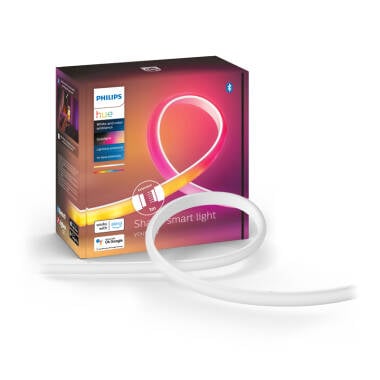
£55.00
Ref 63327
Philips Hue Gradient 1M Multi Colour Smart LED Strip
Multicolour
IN STOCK - Delivered in 1 to 2 working days
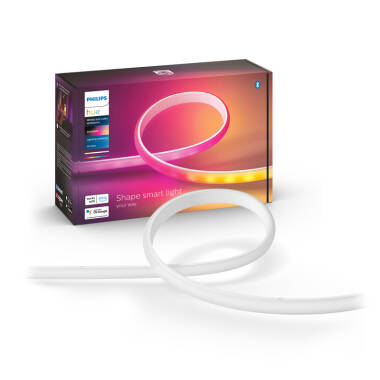
£140.00
Ref 63326
Philips Hue Gradient 2M Multi Colour Smart LED Strip
Multicolour
IN STOCK - Delivered in 1 to 2 working days
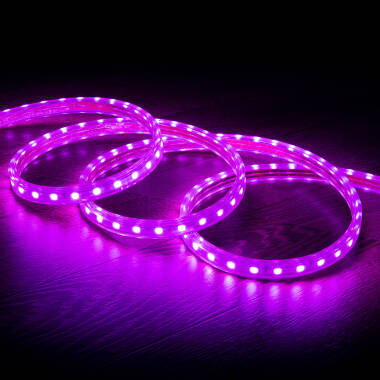
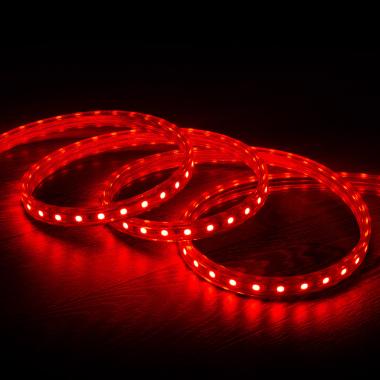

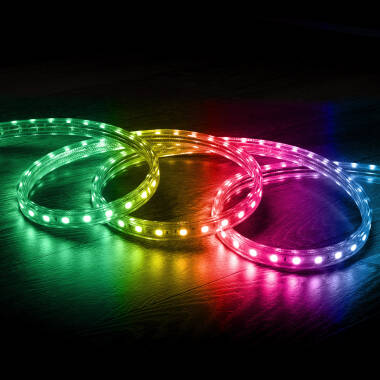

About LED Strip
LED strip lights and RGB LED strips have become increasingly popular in recent years as a versatile and energy-efficient lighting solution for homes, businesses, and public spaces. With their low profile, easy installation, and customisable features, LED strip lights offer a range of benefits over traditional lighting fixtures. Throughout this article, we will explore the basics of LED strip lights and RGB LED strips "“ how they work, the different types available, where they can be used, and how to choose the best options for your specific lighting needs. Whether you are a homeowner, business owner, or just want an easy way to add bright lighting to a space, we'll show you how to incorporate LED strip lights and RGB LED strips into your living spaces.
What are LED strip lights?
LED strip lights are a type of flexible lighting that is composed of small, light-emitting diodes (LEDs) that are mounted on a thin, flexible circuit board. They can be cut to any length, so they can be used in a range of places throughout your home. LED strip lights don't require much electricity, and they are both energy-efficient, and long-lasting.
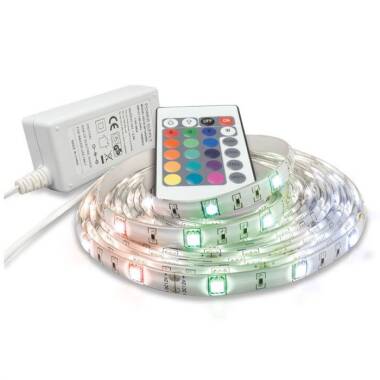
RGB LED strips are a type of LED strip lights that feature red, green, and blue (RGB) LEDs that can be mixed to create a range of different colours. RGB LED strips are controlled using a special controller that allows you to adjust the colour and brightness of the lights. They are often used for decorative lighting in homes, businesses, and outdoor settings, as they offer a high level of flexibility and customization.
What are the benefits of using LED strip lights and RGB LED strips?
There are many benefits to using LED strip lights and RGB LED strips. There are a few great reasons to use them in your home, including:
- Energy Efficiency: LED strip lights and RGB LED strips are highly energy-efficient, and use far less electricity than traditional lighting fixtures. Because of this, they can keep your energy bills to a minimum, and are a smaller drain on the environment.
- Versatility: LED strip lights and RGB LED strips are very versatile, as they can be cut to any length and they are easy to install throughout the home. They can be used for accent lighting, task lighting, or general illumination, depending on your needs, and how the space is to be used.
- Durability: LED strip lights and RGB LED strips are built to last, with a long lifespan and resistance to damage from shock, vibrations, and temperature changes. Many styles have higher IP ratings, making them ideal for use in outdoor settings or in areas with high foot traffic.
- Customisation: RGB LED strips offer a high level of customisation, allowing you to create a wide range of colours and effects depending on your preferences. This makes them perfect for decorative lighting in homes, businesses, and public spaces.
- Cost-effectiveness: LED strip lights and RGB LED strips are really very affordable, with prices starting at as little as just £5. Not only that, but they are cost-effective in the long run due to their energy efficiency, long lifespan, and durability.
- Aesthetic appeal: LED strip lights look great in so many different places throughout the home. Depending on how you use them, they can have completely different effects. They might provide a gentle glow along shelves in a living room, or give a more edgy look to a space, such as in a bedroom for a teenager.
How do LED strip lights work?
LED strip lights work by using light-emitting diodes (LEDs) to produce light. LEDs are a type of semiconductor device that emits light when an electric current passes through it.
LED strip lights consist of a long, flexible circuit board that contains a series of LEDs mounted at regular intervals. The circuit board is typically coated in a protective layer to prevent damage from dust and moisture.
The LED strip light is powered by a low-voltage power supply, typically a transformer or a battery, that converts the higher voltage of the main power supply to a lower voltage suitable for the LED strip light.
When the LED strip light is turned on, the low voltage power supply sends a current through the circuit board, causing the LEDs to emit light. The brightness and colour of the light can be controlled using a controller (which may be a physical remote, or an app on your phone) that adjusts the voltage and current delivered to the LEDs.
What different types of LED strip lights are there?
There are several different types of LED strip lights available on the market, each with its own unique features and benefits. Let's take a quick look at some of the most common types:
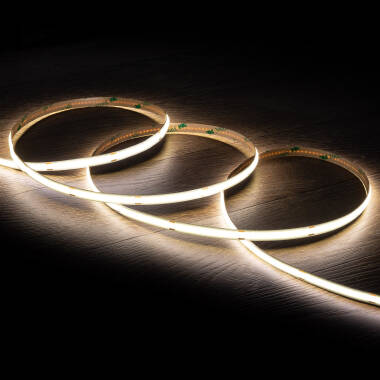
- Monochrome LED Strip Lights: Monochrome LED strip lights produce a single colour of light, typically white or warm white. They are a great choice for general illumination and task lighting, and are available in a range of brightness levels.
- RGB LED Strip Lights: RGB LED strip lights are composed of red, green, and blue LEDs that can be mixed to create a wide range of colours. They are ideal for decorative lighting, and can be used to create stunning lighting effects in homes and businesses.
- RGBW LED Strip Lights: RGBW LED strip lights are similar to RGB LED strip lights, but also include a separate white LED in each unit. This allows for greater control over the brightness and colour temperature of the light, making them a popular choice for accent lighting and mood lighting. These types of LED strip lights almost always have an app or remote control to allow you to easily change the colour and brightness of the light.
- Tunable White LED Strip Lights: Tunable white LED strip lights allow you to adjust the colour temperature of the light, from warm white to cool white. This makes them ideal for use in spaces where the lighting needs to be adjusted depending on the time of day or activity being performed.
- High-CRI LED Strip Lights: High-CRI LED strip lights are designed to produce light that is more similar to natural daylight, with a high colour rendering index (CRI) that accurately reproduces colours. This makes them a popular choice for photography studios, art galleries, and other spaces where accurate colour rendering is important.
- Waterproof LED Strip Lights: Waterproof LED strip lights are coated in a protective layer that makes them resistant to moisture and humidity. These are the ones you'll want to use in outdoor settings or in areas where water may be present, such as bathrooms or kitchens, as they have higher IP safety ratings.
Where can you use LED strip lights in the home?
LED strip lights are so versatile, and can be used in many different areas of the home. Some of the places where LED strip lights can be used really effectively include:
- Under Cabinet Lighting: LED strip lights make a brilliant addition under cabinets in kitchens, providing bright and efficient lighting for when you're cooking and doing food prep.
- Cove Lighting: LED strip lights can be installed in coves or recessed areas in walls or ceilings to create a soft and warm glow, increasing the ambiance in living spaces.
- Accent Lighting: LED strip lights can be used to highlight decorative features in the home, such as architectural details, or along furniture.
- Task Lighting: LED strip lights can be used as task lighting in home offices, sewing rooms, or other spaces where focused illumination is needed. Perfect if your home office is closer to a cupboard than an actual room!
- Staircase Lighting: LED strip lights can be installed on stair risers or treads to provide illumination and improve safety in dark stairways "“ and there are styles with PIR sensors, so they will only light up when someone is in the vicinity. Ideal for minimising electricity costs even further.
- Bookshelf Lighting: LED strip lights can be used to highlight books or decorative items on bookshelves, creating a cosy and inviting ambiance in living rooms or studies.
- Bedroom Lighting: LED strip lights can be used to create a relaxing and cosy ambiance in the bedroom, such as accent lighting behind the headboard. Colour changing, dimmable styles are perfect for this, and they make a great alternative to a night light for anyone who doesn't enjoy full darkness when they are sleeping.
- Inside Cupboards: Adding LED strip lights to the inside of cupboards and spaces such as under the stairs means that you can get the brightness you need, in no time "“ with no installation costs. Again, LED strips with PIR sensors are perfect for this type of use.
LED strip lights really can be used for a wide range of applications in the home. With their low profile, flexible design, and customisable colour and brightness options, they are a great choice for anyone looking to add stylish and practical lighting to their living spaces.
What are the benefits of using LED strip lights over traditional lighting?
LED strip lights offer a range of benefits over traditional lighting fixtures. Let's do a quick round-up of some of the main advantages of using LED strip lights:
- Energy Efficiency: LED strip lights are incredibly energy-efficient, and use tiny amounts of electricity compared to traditional lighting fixtures. This means your energy bills will be smaller, and they are more environmentally friendly.
- Long Lifespan: LED strip lights have a much longer lifespan than traditional lighting fixtures, often lasting up to 50,000 hours (over five and a half years) of continual use or more. This means you won't need to replace them as frequently as you would a traditional incandescent bulb, saving you money and effort in the long run "“ and benefitting the planet too.
- Low Heat Emission: LED strip lights give off very little heat, making them a safer and more practical option for use in various places in the home "“ such as children's bedrooms. They won't heat up the room or affect the temperature, which is especially important in bedrooms, cupboards, and lofts.
- Customisation: LED strip lights offer a high level of customisation, with a range of colour and brightness options available. This means they are perfect for creating mood lighting, or for accentuating particular features in your home.
- Durability: LED strip lights are built to last, with a high level of resistance to shock, vibrations, and temperature changes. There are also plenty of waterproof or moisture-resistant styles, making them a great option for outdoor use or in humid environments such as bathrooms, kitchens, and conservatories.
- Easy to Install: LED strip lights are easy to install, with a flexible design that allows them to be cut to any length and mounted in a wide range of locations. They are a DIY-friendly option for homeowners, and are perfect for homes that are rented.
What is the difference LED strip lights and RGB LED strips, and which is better?
The main difference between LED strip lights and RGB LED strips is that LED strip lights produce a single colour of light, while RGB LED strips are composed of red, green, and blue LEDs that can be mixed to create a wide range of colours.
LED strip lights tend to be used for general illumination and task lighting "“ such as under cabinets in the kitchen "“ while RGB LED strips are more often used for decorative lighting and creating mood lighting. RGB LED strips offer a high level of customisation and control over the colour and brightness of the light, making them a popular choice for creating lighting effects in homes.
There is no correct answer here "“ which type of lighting is better depends on your individual needs and preferences. If you are looking for practical, energy-efficient lighting that is just one colour tone, LED strip lights may be the better option. However, if you are looking for an easy to install lighting option that allows you to create a range of colours and effects, RGB LED strips are likely to be the better choice.
It's worth noting that there are also RGBW LED strips available, which include a separate white LED in each unit. This allows for even greater control over the brightness and colour temperature of the light, making them a popular choice for accent lighting and mood lighting.
Don't forget, when you're considering which type of LED strip is right for you, that there are other features "“ some have PIR sensors, so they can be switched on and off when someone is in the vicinity, while others have Wi-Fi connectivity, for ease of changing the brightness and colour.
How do you install LED strip lights and RGB LED strips?
Installing LED strip lights and RGB LED strips is a straightforward process that can be done by most people that can follow the installation instructions carefully. Each set of lights are different, so check the insert in the box, but the basic steps to follow are:
- Plan the Installation: Before you begin, plan out where you want to install the LED strip lights or RGB LED strips and measure the length of the area you want to cover. This will help you determine how much lighting you will need and what type of power supply you will require.
- Clean the Installation Area: Make sure the area where you will be installing the LED strip lights or RGB LED strips is clean and free of dust and debris. This will ensure that the light strip will stay attached to the surface.
- Attach the LED Strip Lights: Peel off the adhesive backing on the LED strip lights and carefully attach them to the surface, making sure to follow any curves or angles in the installation area. If you think it necessary, you might want to consider double sided tape for extra hold.
- Connect the Power Supply: Connect the LED strip lights or RGB LED strips to the power supply, making sure to follow the manufacturer's instructions. This may involve attaching wires or connectors, or plugging the strip directly into a power source.
- Test the Lighting: Once the strip is installed and connected to the power supply, turn it on and test the lighting. You may need to adjust the brightness or colour temperature to achieve the desired effect.
Installing LED strip lights and RGB LED strips is a relatively simple process that can be done pretty quickly, depending on the size of the installation area. With a little bit of planning and preparation, and following the instructions that come with your lights, you can add stylish and efficient lighting to your home in no time.
How are LED strip lights and RGB LED strips controlled?
Most LED strip lights and RGB LED strips have a control that allows you to adjust the brightness and colour of the lights. A remote control may be included with the strip lights, or it may be controlled using an app on your phone.
If your model has a remote control, it is usually simple, with just a few buttons to adjust the brightness or colour, while those with a mobile app tend to have more options. Some controllers also offer special effects, such as colour-changing patterns or strobe effects.
In addition to traditional controllers, some LED strip lights and RGB LED strips with Wi-Fi connectivity can also be controlled using smart home systems, such as Amazon Alexa or Google Home. This allows you to control the lights using voice commands or through a mobile app, and may offer additional features such as scheduling or automation.
The level of control you have over your LED strip lights or RGB LED strips will depend on the type of controller or smart home system you use. However, most systems offer a high level of flexibility and customization, allowing you to create the perfect lighting for your needs.
How to choose the best LED strip lights and RGB LED strips for your needs
Choosing the best LED strip lights and RGB LED strips for your needs might feel a little overwhelming, given the range of options available. Here are some factors to consider when choosing LED strip lights or RGB LED strips:
- Brightness: The brightness of the LED strip lights or RGB LED strips will depend on the number and size of the LEDs used. Consider the amount of light you need for the space where you will be using the lights, and choose a strip with the appropriate brightness level.
- Colour: If you are choosing RGB LED strips, think about the range of colours available and the level of customisation you want where you're installing it. Some strips offer more colours and effects than others, so make sure to choose a strip that meets your specific needs.
- Length: Consider the length of the area you want to cover with the LED strip lights or RGB LED strips, and choose a strip that is long enough to cover the area without leaving gaps or excess strip. Since length is easily trimmed, it is usually better to have a bit too much, than not enough.
- Durability: If you will be using the LED strip lights or RGB LED strips in an area with high humidity or moisture, such as a bathroom or outdoor space, make sure you choose a strip that is waterproof or moisture-resistant.
- Power Supply: Make sure to choose a power supply that is compatible with the LED strip lights or RGB LED strips you have chosen. Some strips may require a specific type of power supply, so check the manufacturer's recommendations before purchasing.
- Brand Reputation: Consider the reputation of the brand when choosing LED strip lights or RGB LED strips. Look for a supplier with a history of quality products and good customer service. Our Change Your Mind Guarantee means that if you accidentally get the wrong length, as long as the LED strip lights are in perfect condition, you can get in touch for an exchange within 30 days.
Our final thoughts
LED strip lights and RGB LED strips are a versatile, energy-efficient, and customisable lighting solution for a wide range of applications in the home. Whether you are looking to add task lighting to your kitchen, create mood lighting in your living room, or highlight decorative features in your home, LED strip lights and RGB LED strips are a great option. With their long lifespan, low heat emission, easy installation, and high level of customisation, these lighting solutions offer numerous benefits over traditional lighting fixtures.
We are committed to providing our customers with high-quality LED strip lights and RGB LED strips that meet their specific needs, and we believe in the quality of our products. With that in mind, we offer a Change Your Mind Guarantee, allowing you to return your order for a refund or exchange if you don't absolutely love your new lighting "“ simply contact us within 30 days of delivery if you want to change your mind.